




Your basket is empty

Beau Wanzer + Rezzett = maximum worries squared. Five frazzlers for all us nutters in the dance. Borez they izn’t.

A thought-provoking, deeply enjoyable consideration of displacement and dislocation, and abiding but adaptive cultural memory, this fourth collaboration mashes expert, haunting samples of the classical Iranian pop of greats like Andy, Hayedeh, and Fereydoun Farrokhzad into tough, quick-fire beat-downs.
‘A kind of musical road movie, shifting gears through time, space, and reverie, with an itinerary and cast of characters looming in and out of focus. Post-punk chanson with an ear for micro-tonality. The balance of mutant music-boxes and dewy miniatures recalls otherworldly hits from Gareth Williams’ Flaming Tunes, The Residents, and the catchier corners of the Lovely Music catalogue.’
Wadada Leo Smith, Amina Claudine Myers
Central Park’s Mosaics of Reservoir, Lake, Paths and Gardens
Red Hook
‘The album emanates a deliberate, contemplative quality, inviting listeners to immerse themselves in its rich sonic tapestry. Myers’ masterful piano work, showcased prominently throughout the album, guides the listener through a series of elegant, introspective episodes, each imbued with a sense of profound depth and emotional resonance. Smith’s trumpet, with its radiant tones and illuminating presence, serves as a beacon of hope and upliftment.’
‘This is full of playing so poignant that it’ll make your chest ache’ (The Guardian).
‘Spare and gorgeous’ (Qobuz).

Kit Downes is on organ. Hayden Chisholm contributes alto saxophone, shruti box, analogue synthesizer, and throat singing. The vocals are by PJEV, a female a cappella vocal quintet from Zagreb devoted to the traditional singing of Serbia, Croatia, Bosnia and Herzegovina.
‘This is a remarkable, stirring piece of work that works right into your bones’ (Dusted).
‘Your mind will be truly blown’ (Songlines).
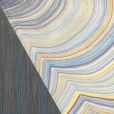
Electric guitar, pipe organ, and drums; a mix of new compositions and interpretations of traditional folk songs.
‘A spellbinding affair that roars with innovation’ (All About Jazz).
‘A startling, contemplative, and utterly brave recording’ (All Music).
‘Simple, sublime melodies… ****1/2’ (Downbeat).
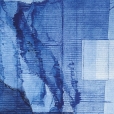
‘An uninhibited sonic marvel that combines electronics, piano and drums in real time. By spontaneously recording loops grabbed on the fly and re-infusing the sonic planes with various effects, the results borne on Refract are sounds and energies rarely heard before.’
‘A thrilling mix of improvised electronica and contemporary modern jazz’ (Financial Times).
‘This is a set that constantly surprises in its sheer inventiveness and excels in its delivery (Jazz Journal).
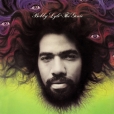
Legendary, stone-classic jazz-funk from 1977; produced by Wayne Henderson for At Home.
‘The first studio encounter between London-based duo Exotic Sin and Swiss percussionist Julian Sartorius. Six improvisatory paths, building at a relaxed pace; tactile and stripped-back, with room for the listener to enter into their evolving sound. Anchored by piano, delicate wood, metal, and air instruments, a fluid system of interactions develops: repeating, deepening, never fixed; not cyclical or linear, eschewing the guard-rail of recurring motifs; broad, forward-looking, and fleet of foot.’

‘Naqvi’s electronics, Smith’s trumpet and Cyrille’s percussion acquiesce with finesse in a perfect simpatico balance of accommodating and complimentary interplay. The trio balance bursts of energy with delicate stillness to create a feeling of meditation. Nuanced, textural, subtle yet devastatingly affective as well as sensitive and contemplative where appropriate, they also deliver bursts of incredible energy and impact; navigating a path between expressions of dismay and meditative healing resolutions – both a protest and paean for harmony.’
‘Killer!’, says Gilles Peterson.
‘Exquisitely constructed… They are not landscapes to be admired at a distance, but inscapes to be explored with attentive care’ (The Wire).
‘Solace for the soul’ (All That Jazz).

Double helpings of riotous, classic dancehall recorded for Jah Thomas’s Midnight Rock label, but previously only issued as a promotional white label. The rhythms are by the Roots Radics, at Channel One. One side each for the deejays, brandishing lyrical cutlasses fit to kill. Early days for Super Cat, but his irresistible rise is already up in your face, plain as day.
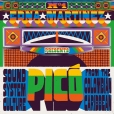
A compilation inspired by the fabulous sound-system, record-collecting culture of the northern cities of Cartagena and Barranquilla, where ricocheting champeta, highlife, soukous, mbaqanga, zouk, soca, and cumbia blare through stacks of hand-painted speakers, in street-corner, neighbourhood bailes.
Two long-form pieces of modular minimalism. Both sides unfurl fifteen minutes of urgent, high-octane loops, repeating patterns, and distorted vocal frequencies, drawing on Terry Riley, Suicide, no wave and synth pop — not to mention the history of modern Lebanon.
This is terrific; warmly recommended.
‘Brìghde Chaimbeul is a leading purveyor of celtic experimentalism and a master of the Scottish smallpipes; a bellows-blown, mellower cousin to the famous Highland bagpipes. A native Gaelic speaker, Brìghde roots her music in her language and culture. She rose to prominence as a prodigy of traditional music, but has since begun a journey to take the smallpipes into unchartered territory. She has devised a unique way or arranging for pipe music that emphasises the rich textural drones of the instrument; the constancy of sound that creates a trance-like atmosphere, played with enticing virtuosic liquidity. She draws inspiration from the world of interconnected piping traditions, but her most recent album brings in influence from ambient, avant garde and electronic music.’

A lovely, fresh, intimate, uncluttered blend of nu soul and glo-fi, from Brighton.