



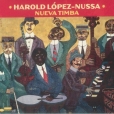
Your basket is empty

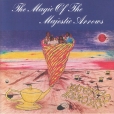
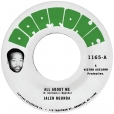
Super-rare Chicago sweet soul LP, originally out on Arrow Brown’s Bandit label. ‘A string-laden fantasia straddling the street corner doo-wop of the ‘50s and the Me Decade’s studio excess. Backed by the Chosen Few and the Scott Brothers, arranged by Benjamin Wright, sung by Brown’s 17-year-old daughter Tridia and Moroccos falsetto Larry Brown.’ Lovey artwork by label-mate Eugene Phillips clinches the DIY, outsider appeal.
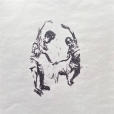
‘A wobbly loop of found sound. Almost inaudible speech from an unidentified documentary. Lapping waves of folk guitar created at the edges of the player’s ability. A haunted melodica. Mumbled vocals that reinvent the singer’s uncertainties as a deliciously glum pose. Layer these up in the recording software of your choice. Labour in a back bedroom overlooking the railway line to summon ghosts.
‘Spirits arrive from West Yorkshire, from Glasgow and Dunedin, from the suburban Midwest. Rising from squats and university accommodation past, from damp rooms filled with old paperbacks, stale hash smoke and abandoned mugs of tea.
‘Even as you listen to this collection of home recordings, made over the last few years by South London duo Jemima, these ghosts crowd around. Born in the Seventies to chase the tape experiments and gentle strumming of the Sixties they crane their necks and edge closer to the laptop. When something this perfect comes along, even the most tranquillised must stir their stumps.
‘It’s lonely music created around a wine bottle with a candle in it, made too late to appear via Xpressway or Cordelia. Don’t imagine though, that it has no home in the now. These spectres remain close because they know they are still wanted. We need them as much as they need us.
‘This spell-binding LP is a window onto a half-lit world on a deeper plane of consciousness.’
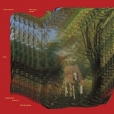
Yarghul player Atef Swaitat and singer Abu Ali are popular Bedouin wedding musicians extending long family traditions in Jenin and the north of historic Palestine. This stomping, swirling, surging, precious music was recorded at ceremonies across the Galilee throughout the 1970s.
It’s exhilarating, giddying, and immersive.
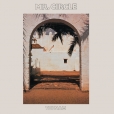
Originally released in 1981, Mr. Circle’s Thi Nam should really have been recognised decades ago as a jazz dance classic. A beautiful example of European jazz fusion at its most sophisticated and optimistic, the album is immersed in the sonics and rhythms of pan-Latin fusion and Brazilian samba, but with one foot in the upful jazz fusion exemplified by Roy Ayers or the Mighty Ryeders.
Taking inspiration from Ursula Dudziak, Flora Purim, and Norma Winstone, singer Monika Linges uses the crystalline tone of her voice as an instrument within the ensemble. The LP is built around the interaction of her vocalising with bandleader Mikesch van Grümmer’s keyboard versatility, all underpinned by the surging Brazilian rhythms laid down by drummer Gerd Breuer and percussionist Ponda O’Bryan.
The result is a unique set of sunlit, Brazilian-inspired jazz fusion. Aimed squarely at the feet throughout, the album kicks off with a double whammy: the funky title track, followed by. the percussion-rich Juntos. The long form Suka begins with a shimmering intro before taking flight halfway through into an urgent jazz samba with Linges’ vocals to the fore. Featuring the vocals of Bill Ramsay, Tides is another driving jazz-dancer with a Brazilian twist, while the summery, propulsive Schoch-Schach features virtuosic interplay between Linges and alto saxophone.

From 1971, A Guitar in the Foreground is Rosinha’s best record. Classic, chilled Bossa shot through with her scintillating guitar-playing.
Check this version of Summertime for her instrumental virtuosity. (Tyler, the Creator burglarised it for Tomorrow, on Chromakopia.)
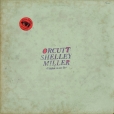
A harum-scarum bloodbath of sixties rock, seventies motorik-fusion, and eighties punk.
‘The landscape Orcutt Shelley Miller inhabits lies deep in the stoner American bedrock, fed by volcanic riffage and hypnotic phrasing with rhythmic nods to the SoCal ’60s and atonal slash piled on a mid ’80s SST punk-fusionoid substrate, ultimately blasting a ‘big rock statement’ that treads the line between good times and blown minds.’
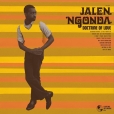
Clear vinyl.

Thrilling, earthy twists on Ethio Jazz and co — born of authentic engagement and love — with a knockabout spirituality and body-rocking grooves, by this quintet led by Swedish saxophonist Lina Langendorf.
Gilles has been spinning it.
Check it out!