
Your basket is empty


Beautiful, insurgent, fabulously danceable jazz music from South Africa, flowing out of the penny-whistle kwela bands of the 1950s. (Kwela means ‘get moving’, in Xhosa.)
Bra Gwigwi played alto and clarinet alongside Hugh Masekela and Kippie Moeketsi in The Jazz Dazzlers; also in The Jazz Maniacs and The Harlem Swingsters. He came to the UK from Johannesburg as an actor and clarinettist in King Kong — a musical about a Zulu boxer — which opened in London in February 1961.
Recording in January 1967, at Dennis Duerden’s Transcription Centre, he is joined here by Dudu Pukwana, Chris McGregor, Laurie Allan, and Ronnie Beer, all from The Blue Notes. Ladbroke Grove legend, and mainstay of our London Is The Place For Me series, Coleridge Goode plays double bass.
No less than sixteen shots of jubilant, jump-up mbaqanga. Check the Ethiopian vibe of Mra (which became core repertoire of The Brotherhood of Breath). Listen to Nyusamkhaya, and try to get it out of your head. Impossible.
Lovely notes by Steve Beresford, too.
‘The South African folk music that makes people glad to be alive!’
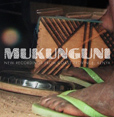
Stefan Schneider and Sven Kacirek’s scintillating recordings of the Mijikenda tribes, made in different spots in and around Mukunguni village, coastal Kenya: spiritual and healing music, and love-songs.
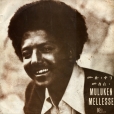
This is fire. Ring the alarm.
The opener is MM’s first recording, aged seventeen; a 45 on Amha Records. The remainder revives his 1976 LP for Kaifa, produced by Ali Abdella Kaifa aka Ali Tango, and featuring such mainstays of the scene as trumpeter Shimèlis Bèyènè, Dawit Yifru on keys, and the great Tilayé Gèbrè on saxophone and flute. In the teeth of the burgeoning Red Terror of the Derg junta, this LP was the swansong of Swinging Addis, and arguably its absolute masterpiece.
Intense, roiling Ethiopian afrobeat. Utterly killer; hotly recommended.
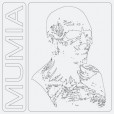
This is terrific.
Brazilian post-punk, art rock and DIY from 1988, released here for the first time, by the duo Celso Alves and Kodiak Bachine (whose records with the band Agentss are desperately sought-after nowadays).
Dubwise and rhythmic, percussive and synthy, with tangy Brazilian roots, and a droll humour to its reflections on embalming, LSD and zombies, the music freewheels roughly and vividly from the truffling, chattering, tropical atmospherics of the opener, through to the machine-funk, Romeroesque terrors of the Greenhouse Massacres, to close.
Sung in Portuguese and English, studded with Spanish, French and German, the lyrics are reproduced on an insert. Pressed at Pallas.
Ace. Check it out.
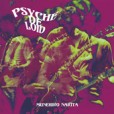
The king of acid-fuzz guitar presents a barbed bouquet of classic psych covers — The Stooges, Hendrix, Pink Floyd, MC5, Jefferson Airplane and co — with killer, piercing fuzz-wah guitar and bizarre software-generated vocals. ‘One of the finest acid-punk shredders to ever walk the planet, Munehiro Narita gives these time-honored psych rock classics a serious kick in the ass, in the most bizarre and Japanese of musical settings’ (Steve Krakow, Galactic Zoo). ‘Munehiro Narita (High Rise et al) bleeds all over a series of massively re-wired cover versions of classic psych while computer generated little girl vocals relocate the whole damn thing in another future altogether’ (David Keenan).
More from the archives of Tom Mkhize, re-imagining traditional South African music as Library Music in 1980s Johannesburg. Plenty of mbaqanga on this volume, running back to kwela, marabi and early South African jazz. The opener’s a knockout — thumb piano (heavy with delay), makhoyane gourd-resonated musical bow, sikhelekehle fiddle, steel drum and synthesizer.
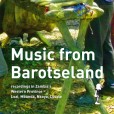
‘Spectacular examples across the board: mesmeric guitar playing in the Barotse style, which uses tunings from the local thumb-piano tradition; kangombia thumb-piano music; rollicking drum ensembles; and jaw-dropping performances of siyemboka, Barotseland’s national music, played on silimba — giant wooden xylophones, sometimes five metres in length, played by four or five men at once’ (The Wire).
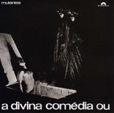
Their third LP; generally considered their best. From 1970, with the military crackdown in full swing, and Caetano Veloso and Gilberto Gil already in exile.
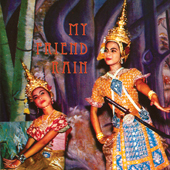
‘Dreamy musical segments, fleeting glimpses, odd sounds, temple shrines, decay, death, afternoon rains, and mysterious celebrations… from the Irrawaddy delta to humid nights on the streets of Isan province.’
Gasba fire drawn from Ahlem Édition, the Oran-based label founded in 1992 by Abdelkader Haci.
Hypnotic flute melodies laced through hard-grooving, synth-led raï rhythms, heavy drum machine workouts, throbbing basslines, and slow-burning, hyper-soulful witness.
Hotly recommended.
Amazing, psychedelic, engagé afro-disco from the same milieu as William Onyeabor, with Gaspar Lawal on percussion. Very warmly recommended.