
Your basket is empty

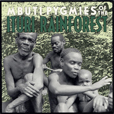
A landmark field recording, exquisitely done, ambient and intimate, with beautiful music, and documentation by Colin Turnbull. A hit with Peter Brook, anyway.
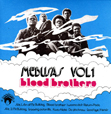
It says ‘Volume 1’ on the cover, and this debut is full of promise, but it’s a one-off, from Nigeria, 1973: African styles grooving together with Latin and Caribbean, US soul and funk, and psych rock.
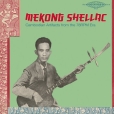
Miraculously restored from the few remaining original copies, Khmer music from the 1930s to the 1950s, including Chapey, Romvong, Lakon Basak, Pleng Khmer, Ayai, and Ayai Reung, as well as classical, court-derived traditions such as Pinpeat and Mahori, and popular styles including Lamleav and Pleng Ka. With a sixteen-page booklet of detailed notes and vintage photographs.
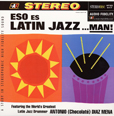
Chocolate Mena leading three lineups — featuring Joe Henderson, Jerome Richardson, Alfredo Armenteros, and co — through Lalo Schifrin and Duke Pearson arrangements of core Latin and Jazz classics.
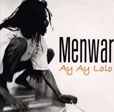
Menwar is a political and cultural spokesperson for the Creole minority in Mauritius, refreshing traditional musical forms like sega to put his messages across. The sound is lightly rootsy, dominated by drums and voices.

Double-headed drums, horns and shells, guitars and violins, reed flutes and cascabeles whirled together in festive and ritualistic dance music, an amazing mixture of indian-Mexico and Spanish Middle Ages.
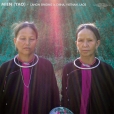
Rawly ethereal, other-worldly singing by members of hill tribes in China, Vietnam, and Laos.
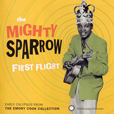
His earliest recordings, for Emory Cook — unflinching social commentary, spun with invincible exuberance and literary panache.
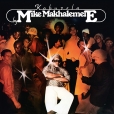
Calling all Disco Freaks!
‘The great South African tenorist Mike Makhamalele was a graduate of the key early-seventies group The Drive (alongside Bheki Mseleku and Kaya Mahlangu); and a mainstay of the scene centred on the Pelican nightclub in Soweto. From 1975, he began to record under his own name, developing a sophisticated fusion sound in a musical lane which few of his contemporaries were travelling.
‘Always attuned to other global fashions in Black dance and pop music, under numerous studio aliases he cut 45rpm covers of Fela’s Shakara and the Sugar Hill Gang’s Rapper’s Delight; and in 1979 he entered the Gallo studios with producer Peter Ceronio to respond to the ascendant sound of disco. Named after a township dance craze, Kabuzela was the result: four extended tracks of bouncing, upful disco jazz. Perfectly calibrated for dancing, heavy on the bass and drums, the album is set off by a gleaming centre piece, Disco Freaks — a joyous paean to the weekend and true lost gem of global disco, perfect for the most discerning dancefloors.’
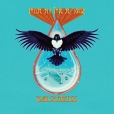
The Funeral for Justice LP completely re-recorded and rearranged for acoustic and traditional instruments.
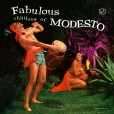
‘A disciple of mambo innovator Perez Prado, the Cuban-born Modesto Duran was a pivotal figure in Latin dance music’s transitionary mid-century period. His gentle slaps can be heard across dozens of 1950s mega-sellers, from Esquivel to Belafonte, Eartha Kitt to Lena Horne. On his 1960 solo debut, Duran gathers a who’s who of conga-men, including Mongo Santamaría, Willie Bobo, and Juan Cheda, delivering a cinematic and percussive melange of afro-cuban, cha cha, and exotic jazz styles.’
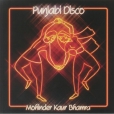
This is sensational; hotly recommended.
“The holy grail of British Asian music; the album that birthed the British Asian dancefloor.”
‘Recorded in London in 1982, the nine-track album combines producer Kuljit Bhamra’s searing synthesiser melodies and hammering drum machine rhythms with the Punjabi-language folk singing of his classically trained mother, Mohinder Kaur Bhamra. Part early acid house experiment, part north Indian tradition and part disco-funk, the record was a futuristic outlier: the south Asian fusion sounds of bhangra were only just beginning; the mainstream crossover music of the Asian underground was more than a decade away; and the British Asian diaspora were largely relegated to meeting at weddings and community events, rather than at the disco’ (The Guardian).
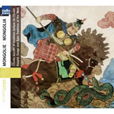
Bardic epics and nomadic songs, with dombra lute accompaniment.
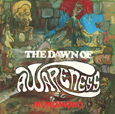
Engaged and spiritual Yoruban blues-rock from Joni Haastrup’s band in 1974.

A kind of intimate scrapbook of the startling collaboration between the techno maestro and this long-standing musical collective based in Bishkek, devoted to the roots music of Kyrgyzstan. Loose-leaved but balanced, lucid and intimate, it sets out from stunning a cappella and virtuosic komuz and kylak, mouth harp and traditional percussion: not field, but expert studio recordings, using marvellous vintage microphones, made over several days in Berlin. Further, a few of these are deftly treated by Moritz, using Reichian de-synced double-tracking, and discreet effects. Also two ten-minute dubs: a deadly, signature Berlin steppers, plus its version; and an echoing, mystical drum session, recorded live on stage in Bishkek. And a side-long, dream-like summation: the locomotive, oceanic, clangorous, dread Facets.
Ravishing, rooted, searching music; beautifully presented.