



Your basket is empty


Brao Gongs of Ratanakiri
Sublime Frequencies
Raw, unfiltered ceremonial gong ensemble music recorded in northeastern Cambodia, bordering Laos and Vietnam. Music to accompany animist rituals, and drinking the fermented rice alcohol called Tavei. Nipple and flat gongs, bamboo tubes, male and female vocals, drums. Very limited.
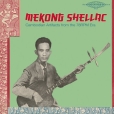
Miraculously restored from the few remaining original copies, Khmer music from the 1930s to the 1950s, including Chapey, Romvong, Lakon Basak, Pleng Khmer, Ayai, and Ayai Reung, as well as classical, court-derived traditions such as Pinpeat and Mahori, and popular styles including Lamleav and Pleng Ka. With a sixteen-page booklet of detailed notes and vintage photographs.
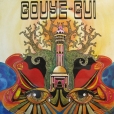
A masterwork of Senegalese montuno, better known as Mouhamadou Bamba, from 1981, the same year as Si Bou Odja.
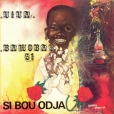
Their classic blend of Afro-Cuban rhythms, Wolof griot traditions, mbalax, Congolese rumba and jazz; led by saxophonist Issa Sissokho and guitarist Barthélémy Attiso. Future icon of Senegalese salsa, the young singer Médoune Diallo tears up the irresistible, driving Autorail, about the new railway line linking Dakar and Niamey.

Irresistible tropical psych-funk by Colombian sisters Elia and Elizabeth Fleta.
Drawn from just a handful of recordings, between 1972 and 1973, accompanied by Jimmy Salcedo and his group La Onda Tres.
Tony Allen / Moritz von Oswald / Wareika Hill Sounds
Ole Remix / Reggae Land Dub
Honest Jon's Records
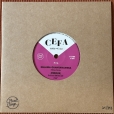
Deep Berlin steppers. Dubwise traces of our original Lagos recording — the percussion of Yinka Ogunye, the singing of fifties palmwine legend Rolling Dollar, Oscar Olimbi’s guitar lick — blend in with Moritz’ own warm Oberheim voicings, additional drumming, and cool-and-deadly rhythm track. It’s a tough, masterly dance record in fine Rhythm And Sound style (evoking vintage House, too) — which during its ten-and-a-half minutes seems to ponder time elapsed and journeys undertaken.
Reggae Land Dub is the thumping, pared-down dub of Wareika Hill Sounds’ rootical rework of Ise Nla. Magnificent trombone and percussion; expert, classical JA mixing. Brings to mind the versions of Black Man Stand Up Pan Foot.

This was the first in our series of Shangaan homages.
A metronomic, clicking beat to drive you crazy; a kind of Motorik lash — dubwise, midrange; moody strings.
Wry, driving, one-of-a-kind genius.
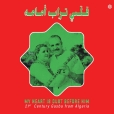
Gasba fire drawn from Ahlem Édition, the Oran-based label founded in 1992 by Abdelkader Haci.
Hypnotic flute melodies laced through hard-grooving, synth-led raï rhythms, heavy drum machine workouts, throbbing basslines, and slow-burning, hyper-soulful witness.
Hotly recommended.
We ship worldwide. The postage rates for your order are displayed before payment, which is processed using Paypal. You can pay using your Paypal account or any of the following cards. No need to join Paypal.