




Your basket is empty


Bombay S Jayashri
Shravanam
Time Capsule
Transportingly sublime, dazzlingly virtuosic Carnatic chanting in Sanskrit about female divinity, accompanied by mridangam drums, bells and tambura drone. Beautifully recorded, in Chennai. The chorus singing is the coup de grace.
Ravishing, restorative music; hotly recommended.

Superb singing, in Urdu, with reined-in accompaniment by Vijay Iyer on pianos and electronics, Shahzad Ismaily on bass and Moog.
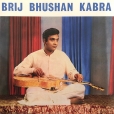
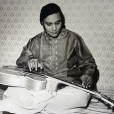
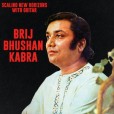
Brilliant, game-changing re-deployments of the lap-slide Hawaiian steel guitar — in this case a Gibson Super 400, modified with a drone string and a high nut to raise the strings off the fretboard like a lap steel — away from Indian popular music, into the service of ragas.
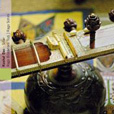
Elegant, serene, new-wave, profoundly tuneful playing, with accompaniment from Abhijit Banerjee’s tabla and Sudipta Remy’s tampura.
‘An innovative and deeply moving blend of spiritual jazz and South Asian devotional music’, with contributions from Esperanza Spalding, Vijay Iyer, Shabaka Hutchings, Immanuel Wilkins…
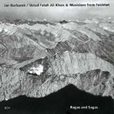
With Ustad Fateh Ali Khan singing; Ustad Shaukat Hussain, tabla; Ustad Nazim Ali Khan, sarangi; Deepika Thathaal, voice; Manu Katche, drums.
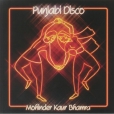
This is sensational; hotly recommended.
“The holy grail of British Asian music; the album that birthed the British Asian dancefloor.”
‘Recorded in London in 1982, the nine-track album combines producer Kuljit Bhamra’s searing synthesiser melodies and hammering drum machine rhythms with the Punjabi-language folk singing of his classically trained mother, Mohinder Kaur Bhamra. Part early acid house experiment, part north Indian tradition and part disco-funk, the record was a futuristic outlier: the south Asian fusion sounds of bhangra were only just beginning; the mainstream crossover music of the Asian underground was more than a decade away; and the British Asian diaspora were largely relegated to meeting at weddings and community events, rather than at the disco’ (The Guardian).
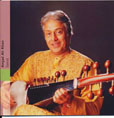
Masterful performances of two ragas. Liquid, luminous, swinging.
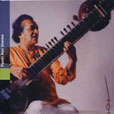
The sitar maestro recorded in 1986, performing two raga and a dhun in the classical style of the Senia Beenkar Gharana, with its focus on melodic and rhythmic elaboration.
We ship worldwide. The postage rates for your order are displayed before payment, which is processed using Paypal. You can pay using your Paypal account or any of the following cards. No need to join Paypal.