Your basket is empty


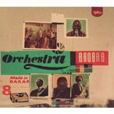
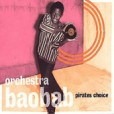
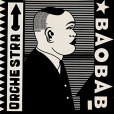
Orchestra Baobab
Gouye Gui
Stern's
A masterwork of Senegalese montuno, better known as Mouhamadou Bamba, from 1981, the same year as Si Bou Odja.
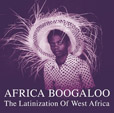
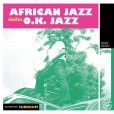
Rocking the party and ramming the dancefloor is the first priority of this review of Latin styles in classic West African dance music, as it emerged with 1950s anti-colonialism, and ran on gloriously into the 70s.
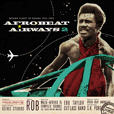
Ghanaian highlife bombs: giants like K. Frimpong, African Brother Nana Ampedu, Gyedu-Blay Ambolley (with The Complex Sounds); unfamiliar names like Los Issufu and his Moslems, Waza Afrika, Funky Afrosibi.
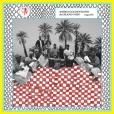
The word from Mississippi…
‘Relentless polyrhythms, call and response vocal poetry, melodic and layered horns, flute, and even accordion!!! A huge and rich sonic landscape, propulsive, energetic, and deeply soulful.
‘Every neighborhood in Dakar has its own Assiko band. They’re community groups, open to anyone who wants to join, as opposed to the legendary griot culture that only allows select families to take part.
‘These hyper-democratic bands can kick off a thousand-person street party at any moment. But they also operate as mutual aid groups, neighborhood security, impromptu after-school programs, and repositories of local music and lore.
The Assiko Band of Grand Yoff neighborhood is led by Djiby Ly (Wau Wau Collectif), who takes his role in the community seriously. He’s led iterations of the band for over a decade, and describes in detail each rhythm they play, its roots, travels, and contours. This Assiko band is particularly prolific and popular, and these recordings remind me of a good rock band - loose and rangy, you can hear the humor and warmth amongst the bandmates come through.’
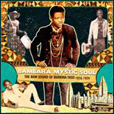
Afro-Funk mixed with traditional Islamic rhythms and Afro-Latin sounds spread by visiting Cuban ensembles — and most of all the Mandingue melodies and guitar techniques of Mali and Guinea.
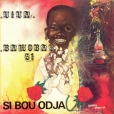
Their classic blend of Afro-Cuban rhythms, Wolof griot traditions, mbalax, Congolese rumba and jazz; led by saxophonist Issa Sissokho and guitarist Barthélémy Attiso. Future icon of Senegalese salsa, the young singer Médoune Diallo tears up the irresistible, driving Autorail, about the new railway line linking Dakar and Niamey.

Just one!
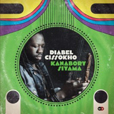
Irresistible kora-led Manding melodies, surging and hypnotic; original songs rooted in the musical traditions of Senegal and Mali.

Yeli singing, from northern Congo. Meandering, polyphonic counterpoint, with a sophisticated interlacing of sounds and motifs, and complex yodelling techniques.
‘When something grave occurs, when someone fall sick, when the hunt is bad, or when death strikes, it must be that the forest herself is asleep and unable to watch over her children… We have to wake her up. And we do this with singing…’
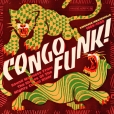
Also sub-titled ‘Kinshasa/Brazzaville 1969-1982’.
‘These new sounds emerged at a time when the Congolese record industry – previously dominated by European major labels – was experiencing a period of decline due to rising production costs.The void was filled by dozens of entrepreneurs willing to take chances on smaller scale releases. It was the beginning of a golden age for Congolese independent record labels, and the best of them – Cover N°1, Mondenge, Editions Moninga, Super Contact – preserved the work of some of the region’s finest artists, while launching a generation of younger musicians into the spotlight.
‘Congo Funk! is the story of these sounds and labels, but also it is the story of two cities, separated by water but united by an indestructible groove. The fourteen songs on this album showcase the many facets of the Congolese capitals, and highlight the bands and artists, famous and obscure, who pushed Rumba to new heights and ultimately influenced the musical landscape of the entire continent and beyond.’
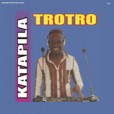
Utterly infectious, bubbling, spare, playful house music from Ghana, steeped in neo-traditional idioms like gome and kpanlogo, as much as vintage Chicago acid and UK rave, highlife and hiplife, soca and dancehall. (As well as Accra pop radio stars like Crystal Waters, Inner Life and Rick Astley.) Over bass-heavy, percussive rhythms, Trotro sings, chants and raps in Twi and Ga, often like no one is listening. It’s impossible not to answer back.
Terrific, refreshing stuff.
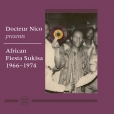
Docteur Nico & African Fiesta Sukisa
Docteur Nico Presents African Fiesta Sukisa 1966-1974
Planet Ilunga
A dazzling mixture of stone classics and gems buried deep in the Sukisa catalogue. Excellent booklet.
‘While exploring the Hawaiian guitar with its clear, airy, plangent, psychedelic effluvia, he continues to replicate the piano comping technique, and adds two missing strings to his bow: a simulation of the sanza (likembé or thumb piano), whose sounds he reproduces right down to the noisemakers of the tiny tin rings, on the one hand, and the sounds of the Luba balafon on the other… Docteur Nico is a genius of our time, whose style makes him the supreme exponent of the most important guitar school in Congolese music. He is recognized by his peers as the greatest African solo guitarist of all time.’
We ship worldwide. The postage rates for your order are displayed before payment, which is processed using Paypal. You can pay using your Paypal account or any of the following cards. No need to join Paypal.