Your basket is empty

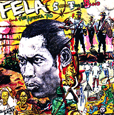
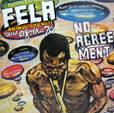
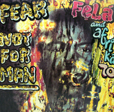
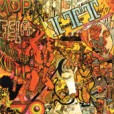
‘Them leave sorrow, tears and blood, Them regular trademark… My people self dey fear too much, We fear for the thing we no see… We fear to fight for freedom.’
Magnificent defiance from 1977.
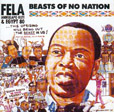
‘Another underground spiritual’, as the opening puts it, about Botha and apartheid,and supporters like Thatcher, Reagan and the Dis-United Nations. (‘One veto vote is equal to 92 or more, or more’).
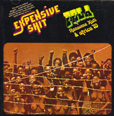
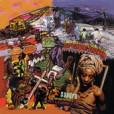
In 1974 the police raided Fela’s commune. Looking for dope, they threatened to pump his stomach.
Interpol head: ‘I’ll talk to you in my office.’
Fela: ‘You get office? You foolish, stupid bastard, you goat…’
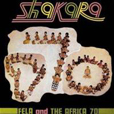
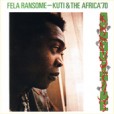
Shakara is killer, with Fela and Africa 70 right at the top of their game. London Scene has Egbe Mi O, where afrobeat is joined spine-tinglingly by the Abbey Road house choir.
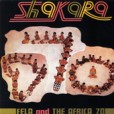
Anniversary issue, with a 7” of remixes by Ezra Collective.
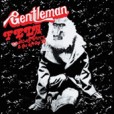
50th Anniversary Reissue; ‘Igbo smoke vinyl’.
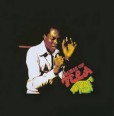
Scorcher!
The double LP is an anniversary edition, with extras, and new artwork.
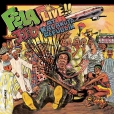
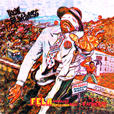
Aka J.J.D. (Johnny Just Drop).
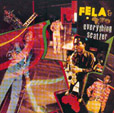
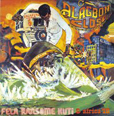
‘Recorded in autumn 1976, six months before the army attack on Kalakuta Republic, this is a lampoon of ‘been-to’ Nigerians, who had been to Europe or the US and returned with an inferiority complex about African culture. Ghariokwu Lemi’s front-cover portrays a suited-up been-to, dressed like a cartoon British toff, as he parachutes into a Lagos street to the bemusement of passers-by. The back cover shows a more funkily dressed been-to, wearing US-style ghetto-chic, but looking equally out of place. See how these JJD’s dress and talk, sings Fela, they are trying to be foreigners. In response, the chorus repeats the single word ‘original’, invoking Fela’s closing line on Gentleman: ‘I no be gentleman at all-o, I be Africa man, original.’‘