


Your basket is empty


Fifteen sides produced by Carl ‘Stereo’ Fletcher for his Uprising and Stereo Beat labels. Quality, mellow, seventies roots, in vocals, toasts and instrumentals. Five previously unreleased recordings in amongst hard-to-finds, and classics like Little Roy’s Christopher Columbus.
A scorcher from the golden age of gospel, via its cardinal label.
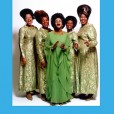
From 1960, during the family’s second decade with Savoy, featuring Gertrude Ward, Christine Jackson, Mildred Means and Vermettya Royster — and Clara, totally riveting and in-your-face with evangelistic fervour and raw soul.
Plus a rambunctious, floor-filling Wade In The Water, by Jessy Dixon and his Singers.
Handsomely sleeved (showing a contemporary but slightly different Wards lineup).
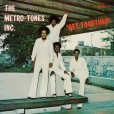
Dedicated ‘to the United Nations and especially young people’, this is slow-burning, steeply screwed, early-seventies Atlanta funk by James Conley and co, spun out of a line from Eliza Hewett’s nineteenth-century hymn, When We All Get To Heaven.
The flip is deadly, too: a super-soulful blend of Sly & The Family Stone with Kool & The Gang, movingly confused and sincere in its pleading (without threats or machismo) to be loved back.
Both sides come with instrumentals. Check part two of Get Together.
Beautifully sleeved.
Red hot gospel soul from 1983. Only ever issued as a test white-label; never before released commercially.
Plus some classic early-eighties soul vibes on the flip, as Helen Hollins — from James Cleveland’s Southern California Community Choir— magnificently busts loose Burt Bacharach, strutting resplendently onto the dancefloor with her dad, husband and two daughters Alicia and Francheasca in glorious cahoots.
Lovely spot-glossed sleeve.
Devilishly limited, all three of our Savoy singles.

Hebi is tough, stomping, mesmerizing romany funk, riding Far East from the Baltic Sea on clopping hooves of uranium, with synths from spaceways further out still. Weakheart deejays will scatter, but Sotofett has road-tested this on dubplate for six months, tearing up parties and dancefloors.
Deeply meditative, desolately beautiful, Haru will stop you in your tracks. Osaruxo’s violin could be a rebab or a shamisen, a reed instrument or a voice. Ravishing music.
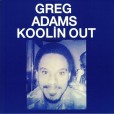
Spinning off from Horace Tapscott’s Panafrikan People’s Orchestra, here is the Long Beach drummer with Dadisi Komolafe, Rickey Kelly and co, in 1983.
An extended reading of Bobby Hutcherson’s Little Bee’s Poem; two from Trane, Moment’s Notice and Mr PC; Wayne Shorter’s Armageddon; Joe Henderson’s Recordame.
Originally pressed in tiny numbers by Adams himself; the sole release on his Hip City imprint.
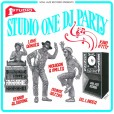
A brazenly irresistible blend of unlikely secret weapons and stone cold classic killers, Soul Jazz style and fashion.
Deliriously creative wordplay overflowing some of the mightiest reggae rhythms of all time.
Surely a must.