


Your basket is empty

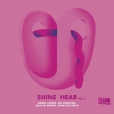
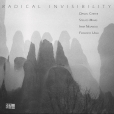
Another reaching, cosmic, old-to-the-new foray by saxophonist and multi-instrumentalist Daniel Carter, pianist Leo Genovese, bassist William Parker (also playing gralla and shakuhachi here), and drummer and vocalist Francisco Mela (singing snatches of traditional Cuban music).
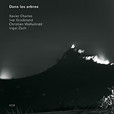
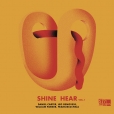
Xavier Charles (clarinet, harmonica), Ivar Grydeland (electric guitar, banjo, sruti), Christian Wallumrod (prepared piano, harmonium), Ingar Zach (gran cassa, percussion).
This is terrific. Rawly soulful trio jazz.
‘There’s no denying the expressiveness of Jones’ music. His sustained, lancing high notes, coarse overblowing and strategically managed vibrato can signify open pain and more complex syntheses of emotion. On No More My Lord, the sole cover in an otherwise original sequence of compositions, bassist Chris Lightcap’s bowed bass and Gerald Cleaver’s scrabbling percussion amplify the dolour and desperation in his playing…’ (The Wire).
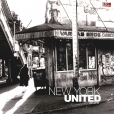
Dave Bailey (drums), Ben Tucker (bass), Bill Hardman (trumpet), Billy Gardner (piano), Frank Haynes (tenor sax).
Featuring the jazz-dance classic Life Is Like A Samba… a Rinder & Lewis production from 1979.
‘Experimental jazz, chanson, bluesy folk and various strains of outsider music permeate a rich layering of music boxes, walkie-talkies and plastic straws, plucked charrango and banjo, kazoos, flutes and snake-charming ocarina, accordion and melodica, found percussion and traditional tuned drums. The moods switch from child-like and epiphanic (Tarzan en Tasmanie, Madrigal for Lola) to babbling (Pocarina), mysterious and dark (Septième Ciel, Rugit Le Coeur) to tender and simple (Rainbow de Nuit, Chevalier Gambette); from murky, suspenseful melancholy (Levy Attend, Eno Ennio) to pensive psychedelia (Un Cercueil à Deux Places). A world of echoes. A tale of tales. You’ll be whistling and humming along on first listen.’
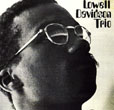
Ornette brought the pianist to ESP in 1965.
With Milford Graves and Gary Peacock.
LP from Alt. Vinyl.