


Your basket is empty

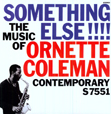
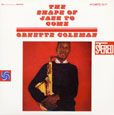
Already his own man in this 1958 recording debut, on plastic alto, with Don Cherry and Billy Higgins in the line-up from the get-go. Great OC tunes, bluesy and wonky; not really something else quite yet. DC’s ace.
Craft LP.
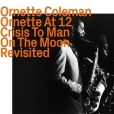
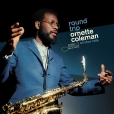
While a decent reissue of these two somewhat lesser known albums is certainly welcome, this disc’s main attraction is the inclusion of both sides of an extremely scarce 7” single recorded in Jul 1969 and (for reasons unclear) released by Impulse! in France only. Written to commemorate the Apollo 11 US moon landing that same month, Man On The Moon achieves a suitably futuristic vibe thanks to the contribution of Dr Emmanuel Ghent, a psychologist and pioneer of computer-generated electronic music, here credited with playing ‘electronic devices’.
As drummer Ed Blackwell clatters out an urgent, armour plated free-bop sprint, Ghent’s weird robo-chatters and space whispers meld with Ornette’s alto. Redman’s tenor and Cherry’s trumpet for three frantic minutes. The B side Growing Up is a two minute free ballad with Blackwell lurching around the kit, Haden sawing out a mournful arco and Ornette leading a sweetly wistful call, answered by three-horned responses. A rare cut from the jukebox of your dreams.
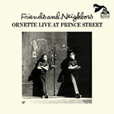
This is a jubilant, uplifting romp.
Recorded in 1970 at his large loft space in downtown New York, with Ornette playing trumpet and violin as well as saxophone, alongside Dewey Redman, Ed Blackwell, and Charlie Haden (and friends and neighbours sometimes singing along).
Five lovely tunes — pure OC blues — featuring terrific alto-playing, and Blackwell in a funkily rambunctious party mood.

His first two, liberating, aching, rawly beautiful LPs: Something Else!!!! The Music of Ornette Coleman from 1958, and Tomorrow Is the Question! The New Music of Ornette Coleman, from 1959.
With Don Cherry, Walter Norris, bassist Don Payne, Billy Higgins; Don Cherry, Shelly Manne, Percy Heath / Red Mitchell.
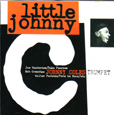
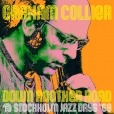
The fine trumpeter in 1963 — fronting a cor-blimey line-up of Joe Henderson, Duke Pearson and Pete La Roca — when he was with Gil Evans, years before stints with Mingus, Herbie, the Duke, Blakey.
‘Classic Vinyl Series’.
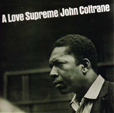
Mono vinyl.
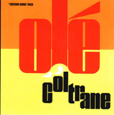
His last Atlantic is a masterpiece; modal heaven. Ole is thunderous, with two bass players; Aisha is a gorgeous ballad. ‘George Lane’ is Eric Dolphy; Freddie Hubbard’s here, too.
Superior, ‘crystal clear’, 140g pressing from Rhino.
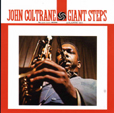
Trane’s majestic debut for Atlantic, ushering in the 1960s. Refreshingly the CD-only alternates are intriguing (from several dates in 1959 with various pianists and drummers).
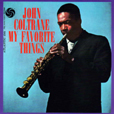
With the classic, studio version of the title track. The drummer John Stevens used to rave about Steve Davis, seldom recorded but here on bass.