
Your basket is empty

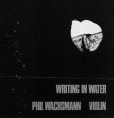
From the mid-eighties, when he was lining up with Barry Guy and Paul Rutherford in Iskra 1903.
Spacious, detailed excursions layering violin, vocalese and electronics, Bach and a little dub.
Lovely, captivating stuff.
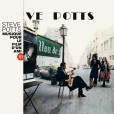
This saxophonist came through with the likes of Roy Ayers and Joe Henderson in the sixties, before hooking up with Steve Lacy in Paris in 1973. In this soundtrack composed for a film by his friend Joaquin Lledó — entitled Le Sujet Ou Le Secrétaire Aux Mille Et Un Tiroirs — he was joined by members of the group around Lacy, and diverse co-conspirators including friends from the funk outfit Ice, French accordionist Joss Bassellion, and none other than Jef Gilson at the mixing desk. It’s a dazzling, intensely entertaining blend of modal, cosmic and spiritual jazz, free funk, dirty grooves, heavy jams, bistro boogie and Javanese wah-wah.
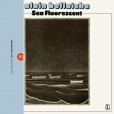
Highly sought-after French jazz fusion — blending in West Coast funk, gentle blues, sketches of Andalusia — with John Hicks, Jerry Goodman from the Mahavishnu Orchestra, and Jean-Marie Fabiano from the Fabiano Orchestra.
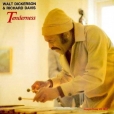
From 1977.
‘Music of extreme sophistication yet perfect lucidity… A Zen-like tranquillity pervades this album of duets’ (Richard Williams in Melody Maker).
‘Quite an achievement, balancing fantasy and friction with grace as a fulcrum… calm, lucid, colourful, and captivating’ (Art Lange in Coda).
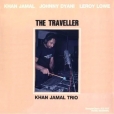
The vibraphonist leading an outstanding trio session with Johnny Dyani and Leroy Lowe. Ace versions of Equinox and Body And Soul, and six chewy, moody originals.
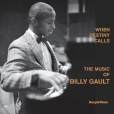
Top-notch mid-seventies spiritual jazz; steeped in Trane. Championed by Jazzman.
Billy — aka William X, nowadays Khalim Zarif — was a Jazz Messenger. Around the same time as this recording, he was one of the Cosmic Brotherhood supporting Jackie McLean on his New York Calling LP, also for SteepleChase; another lost classic.
Warmly recommended.
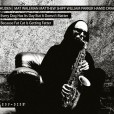
Mat Walerian, Matthew Shipp, William Parker, Hamid Drake.
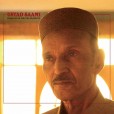
The last living master of surti singing, a precursor of the ancient Islamic devotional music of qawwali. Wonderful.
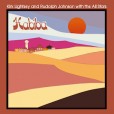
Originally released by Gallo in 1974, this is a raw, impassioned, stunning set led by bop pianist Kirk Lightsey (a regular sideman for Chet Baker) and saxophonist Rudolph Johnson (from Black Jazz), on a break from touring South Africa with Detroit crooner Lovelace Watkins.
A heavy-duty excursion into post-Coltrane spiritual modernism, ranging from the modal, cerebral intensity of the side-long title track Habiba, to the downhome breakbeat groove of There It Is, and the dark glitter of minor-key waltz Fresh Air. Long one of the most desired global jazz LPs, and never before available outside South Africa, Habiba is a forgotten masterpiece of its era.
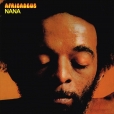
Deep, vibesing, rootical excursions in Brazilian percussion, especially berimbau; originally released by Saravah in 1973.
Newly remastered from the master tapes; gatefold sleeve.
Fabulous.
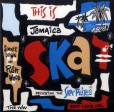
The truly iconic compilation from 1965, when ska was in its full, irrepressible, post-colonial glory.