
Your basket is empty

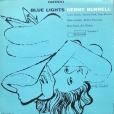
‘Classic Vinyl.’
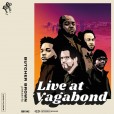
A quintet, with DJ Harrison from Stones Throw on keyboards, drummer Corey Fonville (Christian Scott, Nicholas Payton), bassist Andrew Randazzo, Marcus Tenney on trumpet and Morgan Burr on guitar. Freaking, hiphop-inflected jazz-funk, with its roots in Weather Report, Return To Forever and early Earth Wind And Fire.
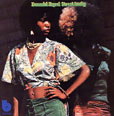
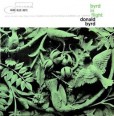
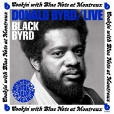
Dazzling, foundational jazz-funk from 1973, with Larry Mizell back at the desk (after Black Byrd), featuring killers like Lansana’s Priestess — as sampled by Theo Parrish on his Baby Steps EP — and the title track, with hot flute by Roger Glenn, and a smack of Curtis to its vocal chorus. Superior pressing; gatefold sleeve.
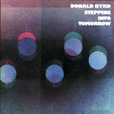
‘Classic Vinyl.’
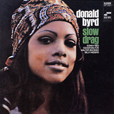
Ace hard bop from 1967, elegantly alternating bluesy with modal. Cedar Walton, Billy Higgins, and the excellent Sonny Red. The title track is extended, sultry and grooving; and there’s a version of the dancer Book’s Bossa.
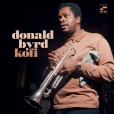
Ace, key DB. ‘The perfect bridge between his spacey late-60s attempts to mimic Miles, and his tighter early-70s jazz-funk with the Mizells.’ Trumpet-tenor-flute; Duke Pearson on electric piano.
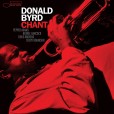
1961 session with Pepper Adams and Herbie Hancock. Kicks off with I’m An Old Cowhand… always a winner.
With Herbie, Mobley and co — and an eight-person gospel choir — in 1963.
The stand-out is a version of Duke Pearson’s Cristo Redentor. A fail-safe at funerals.
‘Classic Vinyl Series.’
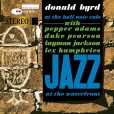
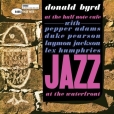
‘One of the most essential hard bop purchases in the canon. The performances by Duke Pearson — four of his own tunes, five by Byrd, and standards — showcase his improvisational acumen at its height. His soloing on studio records pales in comparison. This was a hot quintet, that not only swung hard, but possessed a deep lyricism and an astonishing sense of timing’ (Allmusic).
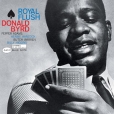
‘Classic Vinyl’ series.

Scintillating hard bop. Young Donald with Messengers Art Blakey, Horace Silver, Hank Mobley, Doug Watkins, and Joe Gordon.
Originally released by Tom Wilson’s shoestring Transition label in 1955. The same label which released Sun Ra’s and Cecil Taylor’s first records; the same Tom who produced Bob Dylan and Simon & Garfunkel, Freak Out! and The Velvet Underground & Nico .
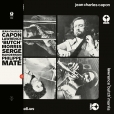
The fruits of a recording session deftly convened by Jef Gilson, to take advantage of Serge Rahoerson’s visit to Paris from Madagascar for just a few days in November 1976. Though a saxophonist by training, Serge had played drums on The Creator Has A Master Plan for the Malagasy album. To establish rhythmic foundations, Gilson reunited him in this capacity with Baroque Jazz Trio bassist Jean-Charles Capon. Recruited from Gilson’s current big band, Saravah saxophonist Philippe Maté and cornetist Butch Morris — on the verge of hooking up with David Murray — added their contributions later.