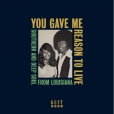


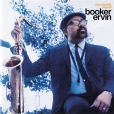
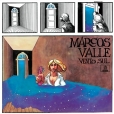
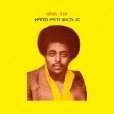
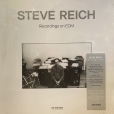


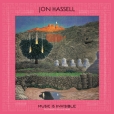







‘From 1970, the first Lightmen LP pre-dates the deep-set, maverick jazz issued by the likes of Tribe and Strata East. Mostly groove-based and cohesive, though pushing further out than you might expect from later Lightmens.’ A young Ronnie Laws is here, on the verge of hooking up with Hugh Masekela, and then Earth Wind & Fire; stylistically light years away from Pressure Sensitive, his breakout for Blue Note, in 1975. Also Bubbha Thomas on drums, Doug Harris on tenor sax, Carl Adams on trumpet, Kenny Abair on guitar, and Joe Singleton on trombone.
Balouch imbibed the Islamic mysticism and devotional songs of Sindh in southeastern Pakistan, before travelling to Gibraltar in the early 1930s. There he became fascinated by the cante jondo across the border in southern Spain.
Running backwards, his book — originally published in 1955 — traces the roots of flamenco’s ‘deep song’ deep within the ancient musical culture of his homeland. It messes with geographical, musical, and spiritual boundaries, taking personal feeling and intuition, and free musical imagination, as its guide.
65 pages; with a litho printed cover and French flaps, more like a snazzy booklet than a book.
Absorbing and liberating.
‘Recorded in February and March of 1963, reuniting Stan Getz with Brazilian musicians Luiz Bonfá and Maria Toledo for a lyrically focused follow-up to the landmark Jazz Samba of 1962.
‘Rather than reprising the earlier landmark album’s airy, guitar-driven bossa nova formula, Encore offers a more intimate, reflective setting shaped by Bonfá’s darker harmonic language and Toledo’s distinctive vocal and percussive presence. Getz’s tenor saxophone — warm, unhurried, and effortlessly melodic — threads through this atmosphere with a depth characteristic of his early-1960s work.
‘The program blends Bonfá’s original compositions with pieces by Antônio Carlos Jobim, including Só Danço Samba and Insensatez, highlighting the evolving transnational dialogue between Brazilian songcraft and American jazz phrasing. Bonfá’s nylon-string guitar provides the album’s tonal anchor, its rhythmic clarity and harmonic subtlety opening space for Getz’s lyrical phrasing. Toledo contributes both vocals and percussion, lending the session a textural and emotional range distinct from other Getz bossa nova collaborations.
‘The result is a quieter, more introspective album than its predecessor — one that underscores Getz’s ability to adapt his voice to a variety of Brazilian idioms without dominating them. Jobim appears on several tracks, further grounding the session in the core creators of the bossa nova repertoire.’
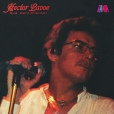
Beginning in 1967 with El Malo, Lavoe was the vocalist on ten legendary studio albums by the Willie Colón Orchestra, before going solo in the mid-70s. Produced by Colón, this hallowed third album under his own name is a stone classic.
It kicks off with his career-defining hit El Cantante, written by Rubén Blades, taking the point of view of a star performer reflecting on his humanity and vulnerabilities when he steps off the stage. It closes with another smash: a joyful, mambo-inspired reimagining of the 1930s Cuban anthem Songoro Cosongo.
Rolling Stone magazine recently ranked Comedia number three of the 50 Greatest Salsa Albums of All Time, declaring that it transformed the genre into ‘high art… a spiritual experience.’