Your basket is empty

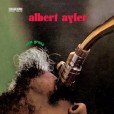
Slammed at the time as a sell-out, and what a joke that is. Brimming with raw physical emotion, but reaching out — in the revolutionary year of 1968 — to soul, rock and gospel.
Also the blues. When he was still at Cleveland High School, Albert spent two summers touring with none other than Little Walter. “The manner of living was quite different for me — drinking real heavy and playing real hard. We’d travel all day, finally arrive, take out our horns and play.”
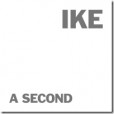
The 1982 NYC-post-punk classic, bundling together Can, DAF, PIL and Joy Division.
The sole album released by Factory US.
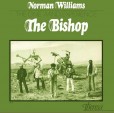
A 1976 recording by this mainstay of the San Francisco jazz scene across the decades, who played with everyone from Sonny Stitt to Pharoah Sanders.
A message from Eddie Henderson…
‘It’s time. It’s time for all to hear the Bishop proclaim spiritual truths in his church, the One Mind Temple, dedicated to the spirit of John Coltrane. The time is also overdue for all to hear the Bishop proclaim musical truths through the medium of his alto saxophone. My first few gigs in 1962 were with the Bishop’s band. I’ll never forget what an inspiration it was for me learning how to play while standing next to the Bishop, who already had it together. I’m sure after hearing the Bishop, you will also agree that his time has come.’
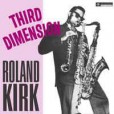
Raw, blue, and sensational, with Kirk playing the tenor sax, manzello, and stritch simultaneously. Originally released by King in 1956, entitled Triple Threat.
Still sealed.
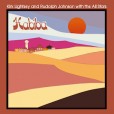
Originally released by Gallo in 1974, this is a raw, impassioned, stunning set led by bop pianist Kirk Lightsey (a regular sideman for Chet Baker) and saxophonist Rudolph Johnson (from Black Jazz), on a break from touring South Africa with Detroit crooner Lovelace Watkins.
A heavy-duty excursion into post-Coltrane spiritual modernism, ranging from the modal, cerebral intensity of the side-long title track Habiba, to the downhome breakbeat groove of There It Is, and the dark glitter of minor-key waltz Fresh Air. Long one of the most desired global jazz LPs, and never before available outside South Africa, Habiba is a forgotten masterpiece of its era.
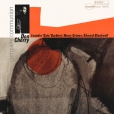
DC’s first album as leader, after leaving the Ornette Coleman Quartet. Two side-long suites, recorded in single takes on Christmas Eve, 1965. Bristling with creativity, rammed with great tunes and brilliant solo spots. Cherry plays cornet, alongside Gato Barbieri, Henry Grimes and Ed Blackwell. In the same year as his own debut as leader — The Call for ESP — Grimes is terrific.