

Your basket is empty

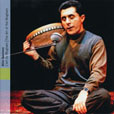
The greatest singer of his generation presenting the classical music of Azerbaijan, accompanied on the tar lute and the kamancha viol by the Mansurov brothers.
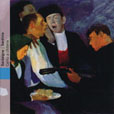
‘Cantu a chiterra’, in which competing singers take turns showing off vocal daring, breath control, endurance and style, in settings of nineteenth century poetry.
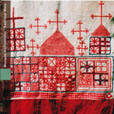
Mainly female vocal ensembles performing seasonal, child-bearing and wedding songs, with instrumental dance excursions by violin, reed-pipe, cymbalum, accordion and drum.
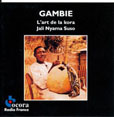
Virtuoso performances recorded in 1972 and al fresco in 1970, mixing together works from the nineteenth century heartlands of the instrument, and rocking Mande tunes of the 1960s and 70s.

Live in August 2004.

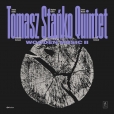
Hats off to the Oslo lot, back with such fascinating, dauntless, new-broom musicality after the departure of their drummer — the trio grappling beatlessly, intently with Hammonds, in the deep space charted by Ra.
With new cohorts from Finland and Denmark — electric bass and guitar bringing a new tension and urgency — this is by turns fierce and hard, swinging and sparse, lyrical and mournful.
‘The quintessence of experience of sorts. It has some free playing, some reflection, and we also played Komeda’s Kattorna. Among my records this is the one I listened to the most after recording.’
Beautiful, balladesque quartet album — moody, blue and restrained.
Leading his New York Quintet.
Duets by trumpet, or French horn, and guitar.
Easy-squeeze, rocking steady loveliness from 1968.
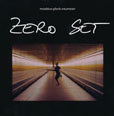
Dark, funky and grooving, inventive and flowing but punchy and sharply focussed. Moebius’ electronics, Neumeier’s drumming, Plank’s engineering: from the early eighties but fresh as anything.
40th Anniversary Edition: hand numbered, limited edition, white vinyl.