Your basket is empty

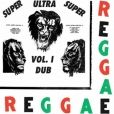
Operating in mid-seventies Kingston, the Ultra label was owned by Alty East, spar of King Sporty (who co-wrote Buffalo Soldier and would marry Betty Wright). Splitting his time between Miami and Jamaica, Alty licensed Studio One sides for US release; and he brought the American soul singer Jerry Jones to perform in Kingston. Whilst he can’t remember anything about it now — he was so busy at the time — Boris Gardiner ran the house band (though a couple of these rhythms were probably recorded by Lloyd Parks’ Skin Flesh & Bones).
Haphazardly collecting Ultra dubs and instrumentals, and originally released in a tiny run, with handmade, silk-screened covers, Super Dub is a snapshot of the same Kingston-Miami nexus, infectiously blending roots and soul into tough nuggets of dub reggae.
As bassist, Boris Gardiner worked nine-to-five at Studio One in 1968 — that’s him on Feel Like Jumping, and The Heptones’ On Top LP. He was at Treasure Isle for its most celebrated recordings. He worked at Aquarius. Derrick Harriott’s The Loser is his arrangement. He was a mainstay of The Upsetters band in the mid-seventies (War In A Babylon, Super Ape, Police & Thieves, Heart Of The Congos etc).
Soul fans will revel in versions of Gene McDaniels’ A Hundred Pounds Of Clay, Gwen McCrae’s Rocking Chair, Otis Redding’s Nobody’s Fault, Betty Wright’s Tonight’s The Night. And reggae fans will treasure the canonical lineaments running through the mix, channelled through Boris: for example the ghost of The Upsetters in more stripped passages, in the tightness of the rhythm section (with organ), and also Lee Perry’s dubwise way with a vocal; the thorough-going presence of King Tubby — check the killer Freedom Roots, a dub of Tony Scott’s Freedom — and Niney’s way with a horn section, on Rider Roots.
With excellent notes.
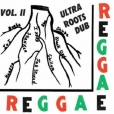
Half price.
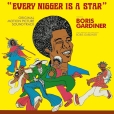
Killer lost blaxploitation soundtrack to Calvin Lockhart’s 1974 film fiasco — deep JA funk, rocking lovers, moody dub, punchy Carib jazz, and sweet soul, bubbling together, warmed by the genius of US inspiration like Jimmy Smith, Curtis Mayfield, and The Meters. There’s a deejay version of John Holt’s Same Song, with a red-eyed nod to U-Roy and Scotty from ‘The Scorpion’. Keyboardist Leslie Butler tears up the deadly instrumental originals Funky Nigger, Negril, and Ghetto Funk (which kicked off Darker Than Blue). Boris is especially heartfelt on the acoustic version of Star (which he wrote, and Big Youth covered). Gardiner on bass and Paul Douglas on drums keep it tight as Titus Andronicus; Tommy McCook leads the horns; Sid Bucknor from Studio One is at the controls, inside Channel One.
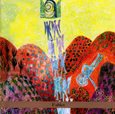
The fine multi-instrumentalist on clarinets, saxophones and flute, with klezmer specialist Hankus Netsky, in limber interminglings of jazz with Jewish musical traditions. The bass clarinet with accordion is lovely.

Sublimely convulsive Shangaan electro-gospel by a pastor from Giyani, Limpopo, recorded in 2008, brimming with aching, plaintive, mournful spirituality. However fractured, multi-faceted and fresh the music comes across — that signature whistle and sampled marimba, a little wonky high-life, rough, skittering drum patterns, no bass — the surging vocal lines and harmonies are unmistakably rooted in traditional South African music.

Singing and playing carillon, in 2017.
One of the songs is dedicated to Mika Vainio.
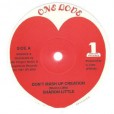
Knockout eco-roots. Shaka liked it so much he put it out himself.
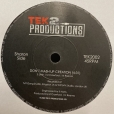
The triumphant revival of this humdinger, forty years after the original version, released on JA/UK label One Love.
Expertly recorded at Tuff Gong, and just around the corner from us in Ladbroke Grove, this is Black-Atlantic, one-drop majesty, with Rasta drumming, resplendent horns, and thunderous dub. Empress Sharon is so nice she nails it twice.
Painfully timely. Mash up creation and look what happens.