Your basket is empty

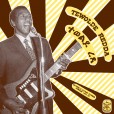
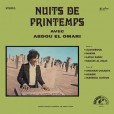
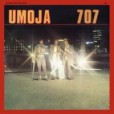
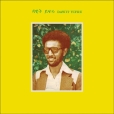
Drawn from his six monumental singles for the Philips, Amha and Yared labels between 1970-73, revolutionising traditional Eritrean music via the innovations of amplified kirar, electric guitar and horns. Thick, deep declarations and considerations of love over a mixture of sombre and joyous tunes (with the hand-clapped beat often shifting into double-time near the end).
Co-released with Mitmitta Musika in Addis Ababa; handsomely presented in a tip-on sleeve, with extensive liner notes, translations and exclusive photos.
Fab.
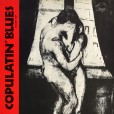
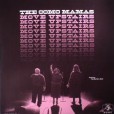
Sparkling, uproarious ragtime and blues — randy, porno and ooh-er — with Sidney Bechet, Bessie Smith and Jelly Roll Morton.
Lucille “got-fat-from-fuckin” Bogan is the filthiest of the lot: “I got nipples on my titties, big as the end of my thumb, I got somethin’ between my legs’ll make a dead man come.”
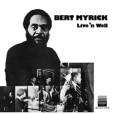
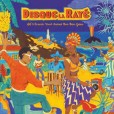
Featuring the jazz-dance classic Life Is Like A Samba… a Rinder & Lewis production from 1979.
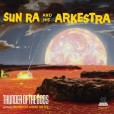
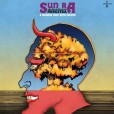
Three previously unreleased transmissions: two salvaged from the hallowed tapes of Strange Strings, his hardcore 1966 masterwork; whilst Calling Planet Earth / We’ll Wait For You — from the same time as Universe In Blue, five years later — is twenty-four minutes from a triumphant show at Slug’s, featuring June Tyson and heavy Ra synths on two Arkestra evergreens.
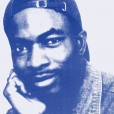
Originally self-released in 1993 by Peter Mekwunye as a small-run cassette, soon after his arrival in the US from Nigeria. Moody, personal, moving, freeform afro-pop, or DIY soul, using just a Casio keyboard and a microphone, with a rawly naked message of love, struggle, spirituality and hope, ‘dedicated to all Nigerians all over the world, and to all freedom fighters around the world.’ Strange — a bit like eavesdropping on someone talking to himself — and warmly recommended.
We got these from Mississippi.
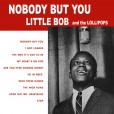
‘Classic Louisiana swamp soul / R&B, recorded in the early to mid 1960s. Includes the popular dancefloor fillers I Got Loaded and Stop, as well as some real beautiful obscurities. Ballads and stompers to make life better. Old school tip-on cover.’
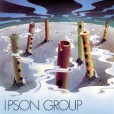
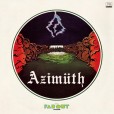
Originally released in 1975, from Milan, a one-away blend of Marco Rossi’s bluesy, free, spiritual jazz-guitar (evoking Pharaoh Sanders and Alice Coltrane); middle-eastern winds; and the masterful African percussionists Nick Eyok and Mohammed El Targhi, ranging from northern Saharan to Yoruba styles. Experimental, but warmly grooving, rootsy and accessible.
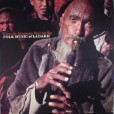
Precious witness to the dying musical traditions of Ladakh, high in the Western Himalayas, for centuries a hub of the Silk Road to India, Tibet, and Kashmir.