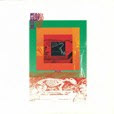



Joyful rug-cutters and sweet soul-uplifters from the town of Morogoro, in early-1960s Tanzania: muziki wa dansi, inspired by Cuban 78s, and dance crazes like the twist and cha cha cha, but making them its own. Here is the cream of over a hundred recordings by Salum, mostly for Mzuri Records of Kenya; pretty much lost till now.
In an old-school tip-on cover, with lyrics in Swahili and English on the inner sleeve.
Lovely stuff.
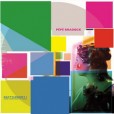
Spiritual jazz fusion from San Francisco, impossible to find soon after it was privately pressed in a tiny run back in 1983, and highly collectible nowadays. ‘If you like John Heartsman, Aposento Alto or Minority Band, don’t miss a true killer record.’
Recorded during a 1983 stint teaching at Ahmadu Bello University in Zaria, northern Nigeria. ‘Lateef leads a nonet of African musicians in seven compositions that fuse his deep blues and jazz roots with native Nigerian instruments, drums and chants. The sounds stretch from meditative and melancholic to urgent and unrelenting.’
Warmly recommended.
Deep, mesmerizing, outer-spaceways jazz, with deft, dubwise dashes of electronics.
Check the grooving Messimalism — with its titular statement of intent, to keep things minimal but not sanitised or tidy — featuring trombone by Arthur Russell collaborator Peter Zummo; and the beautiful, oneiric, side-long Pathways To Presence, with tabla by Sarathy Korwar.
‘AMM (John Tilbury & Eddie Prevost) together with Lebanese electro-acoustic-free-jazz outfit A-Trio (Mazen Kerbaj, Sharif Sehnaoui & Raed Yassin) in 2015, ‘dancing slowly along a very thin line of fine-tuned, both clear and crackling improvised sounds. Harsh at times with magical mellow moments of intense, fragile, broken noises. No overdubs, no use of electronics. In a fine-art pantone-printed sleeve.’
The legendary AMM drummer recorded roundabout his home village of Matching Tye, Essex, in amongst the acoustics and significance of the village green and All Saints church in High Laver (where John Locke is buried).
‘At times it sounds like he’s sharpening blades on a grinding wheel, as keening tones slowly scythe through the air. Elsewhere, he appears to be dragging the side of a cymbal against a bass drum skin, producing low groans that complement the glistening high end… In Air, Oak, Metal, Hair, Prevost’s cymbals whistle and shimmer as they catch the breeze.
‘Other tracks nod towards Prevost’s jazz background. MaxPlus draws inspiration from a Max Roach hi-hat study… Rotology touches on a range of drumming traditions, from East Asia to West Africa’ (The Wire).
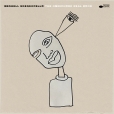
Leading a masterly lineup of John Hicks, Ray Drummond and Idris Muhammad in 1991.
A couple of waltzes, a blues, a Monk-ish suite-like piece, a free-ish drums and clarinet interlude, and finally an elegy for civil rights leader Fannie Lou Hamer.
Murray plumbs and soars: often it sounds like two different instruments are being played.
Superbly recorded, with gripping warmth and intimacy; originally released in Japan on CD only, by DIW.
Highly recommended.
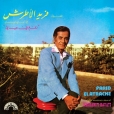
Originally released in 1978, Wahdon announces this great diva’s switch from traditional to more modern idioms and arrangements.
Three mesmerising songs to start, including Habaitak Ta Neseet Al Naoum (I Loved You So Much I Forgot To Sleep), with ravishing strings and percussion.
Recorded in Athens at the studios of EMI Greece during the same sessions as Zaid Rahbani’s Abu Ali LP, and likewise edging into funk and disco, the second side is something else. In Al Bostah (The Bus), a woman recalls a bus journey with a lover, in scorching heat, to extended, hypnotic, uptempo, funkdafied disco. The title track Wahdon crafts a slower, jazzier setting for Fairuz’ out-of-this-world singing.
Recommended.
Recorded in St. Edmund’s Church, Oslo, on 13 December 2017.
Compositions by James Weldon Johnson and Thelonious Monk; also originals, including a tribute to Don Cherry.
Another humdinger in the Actions For Free Jazz series supervised by Smalltown Supersound.
Vinyl only, no digital. 500 copies, that’s it.
The fabulous, legendary LP originally issued by Lumen in 1972, born out of several visits to Madagascar by Gilson and fellow musicians from Paris, and their collaborations with musicians on the island.
Fittingly the first trip was on May 13 1968, the day of the general strike in France: this is tumultuous, insurgent, joyous, blisteringly swinging, outernational Malagasy jazz, including a a charged, unmissable The Creator Has A Masterplan, and Avaradoha, a composition by Madagascan saxophonist Serge Rahoerson (who leads this recording), which was the anthem of the rotaka protests in 1972, bringing down the neo-colonial First Republic of Madagascar. The closer showcases various traditional Madagascan percussion instruments, played by the same trio which that year recorded Le Massacre Du Printemps, Gilson’s avant-noise homage in memoriam of Stravinsky.
Hot.