
Your basket is empty

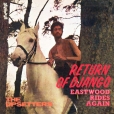
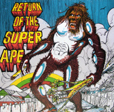
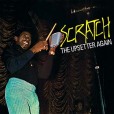
After Lee Perry’s party-starter Return Of Django crashed the UK charts at number five in 1968, Trojan rounded up the best of his other instrumentals, as an LP under the same title. Brilliant boss organ heat like Cold Sweat and Night Doctor.
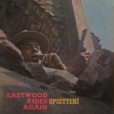
They swiftly followed up with another bunch of lean and mean JA funk — still dressed as a Spaghetti Western soundtrack — culminating in the astounding Tight Spot.
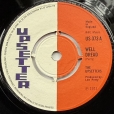
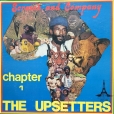
In-a-state TWENTY-EIGHT original Upsetters here.
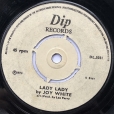
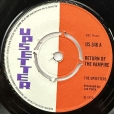
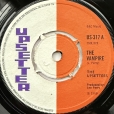
All mint or near enough; labels as pictured.
This one is prime Dennis Alcapone.
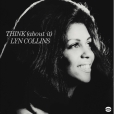
‘Hey, fellahs…The sisters are not going for that no more…’
Stone cold feminist funk classic from the Female Preacher. The JBs sound like they know there’s no turning back.
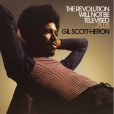
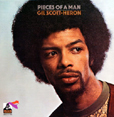
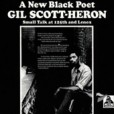
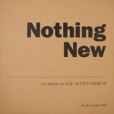
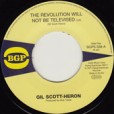
This compilation of the best of Gil Scott-Heron’s Flying Dutchman output was originally released in 1974, pulling together tracks from his first three albums: Small Talk At 125th And Lennox (1970), Pieces Of A Man (1971), and Free Will (1972).
This very welcome LP reissue is a top-notch pressing, resplendent in the original gatefold sleeve.
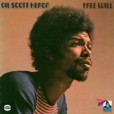
His third LP, following up Pieces Of A Man in 1972. One side of collaborations with Brian Jackson; the other, spoken word.
Adding alternate versions, the CD runs through the entire tracklisting twice.
The more expensive LP is newly remastered — all-analogue style, from the master tapes.