




Your basket is empty

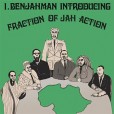
Strikingly original UK reggae from 1983, self-produced by West Londoner Alex Robertson aka I Benjahman, for his own Lion Kingdom label. With contributions from legends like Rico Rodriguez and Horsemouth Wallace, Studio One and King Tubby engineers Sid Bucknor and Tony Asher, Zabandis crew and Dennis Bovell. Still, the music retains a kind of vibesing outsider idiosyncrasy descended from Keith Hudson.
Kicks off with the Shaka selection Give Love A Try.
This LP offering adds dubs; the CD adds 12” versions, dubplate mixes, dubs and other unreleased material.
An outstanding reissue. Vinyl back in; last copies.
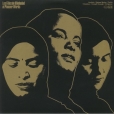
Heavy, meditative Tuareg rock.
‘If you listen long enough, and make yourself open enough, it is possible to reach a kind of holy place’ (The New Yorker).

A kind of intimate scrapbook of the startling collaboration between the techno maestro and this long-standing musical collective based in Bishkek, devoted to the roots music of Kyrgyzstan. Loose-leaved but balanced, lucid and intimate, it sets out from stunning a cappella and virtuosic komuz and kylak, mouth harp and traditional percussion: not field, but expert studio recordings, using marvellous vintage microphones, made over several days in Berlin. Further, a few of these are deftly treated by Moritz, using Reichian de-synced double-tracking, and discreet effects. Also two ten-minute dubs: a deadly, signature Berlin steppers, plus its version; and an echoing, mystical drum session, recorded live on stage in Bishkek. And a side-long, dream-like summation: the locomotive, oceanic, clangorous, dread Facets.
Ravishing, rooted, searching music; beautifully presented.
Excellent remixes by Burnt Friedman and Ricardo Villalobos: upfully clopping; deep and extended.
His second LP, originally released by FMP in 1976. ‘Microtonal string investigations still beguiling and fresh four decades later.’
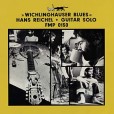
‘Originally released on FMP in 1973, the debut album by this legendary German guitar improviser and instrument inventor is a resonant and hilarious document of the nascent genius recording his peculiar and wondrous music alone in a studio. Acoustic and unfiltered electric guitars turned back into the supremely malleable instruments they were before they’d been firmly encoded as tools for rock or pop or jazz. Reichel uses a homemade 11-string guitar (with three pickups) for all the tunes except the first one. Reichel is like an improvising Harry Partch, investigating the genesis of lute music.’