
Your basket is empty


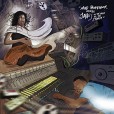
You can’t make sense of this, clicking through mp3s, on tin-pan computer speakers. Put the record on, though, and set the controls for the heart of the bloke next door, and it’s terrific. The drum-less, throbbing, droning, wailing, sawing, twinkling reconnaissance of Nothing, with massive, unnerving swoops, throttling and surges.
Beatrice Dillon and Kassem Mosse.
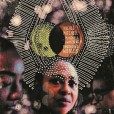
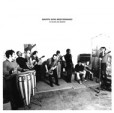
Great photos by Anne Tetzlaff on the sleeve.
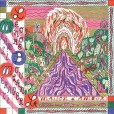
Gorgeous, restorative duets by a French singer and Iranian singer/instrumentalist, taking a highly personal, affective approach to the traditional radif repertoire established by Ostad Abdollah Davami. Ecstatic, sensual ghazals from the thirteenth and fourteenth centuries: ‘You gave me away free,’ she chides. ‘I wouldn’t take the world for a single hair from your head.’
Two sides triumphantly add organ and harmonium, bendir and n’goni.
The performances are considered and expert enough, but with a have-a-go freshness and emotional truth, without snoot or prettification.
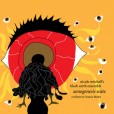
Wonderful artwork by Gwénola Carrère.
A magical record.
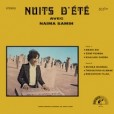
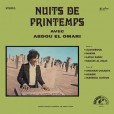
The second volume in Abdou’s unmissable Nuits trio of LPs, this time featuring his Casablanca home-girl, sahrawi diva Naima Samih.
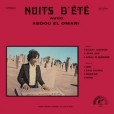
Giddy psych, funk, jazz and electronica freak-outs from Casablanca. A combination of original compositions and folk tunes, crazily blending together Abdou’s wigging organ, rough beat boxes, wayward kit-drumming and crisp north African percussion, a little Hank Marvin and some sporting sing-a-long, and plenty of unfit-to-drive reverb and tape delay. A facsimile reissue of this collectors’ item, first out in 1976. Ace.
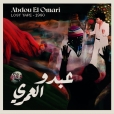
‘A visionary blend of spiritual jazz, psychedelic funk, Moroccan traditions, and electronic experimentation.’
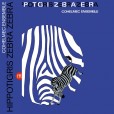
COH as in Jean Cohen (saxophones), EL as in Dominique Elbaz (piano) and MEC as in the brothers François and Jean-Louis Méchali (bass and drums) — joined by the American clarinettist and flautist Evan Chandlee for this debut album, originally released by Saravah in 1969.
“We wanted to avoid that kind of ‘free’ which is characterized by pounding drumming and a saxophonist freaking out in the high register, that type of music that kicks off suddenly then stops without us being able to sense the motivation. There is never any difference in intensity: nothing is destroyed, nothing is created, nothing is elaborated, nothing is questioned — when, even on the simple level of sound, there is so much that can be done.”
With French roots running back through the music of Jef Gilson, and pitched at the time somewhere between ESP and Actuel/BYG, with full-blooded nods to the likes of Cecil Taylor, John Coltrane and Walt Dickerson, this is expert, exuberant music-making, searching out its own way.
Ten tracks, even-handedly improvised and composed, beautifully played; intense and free-spirited but always engaging, attentive and communicative.
Top-notch sound; heavyweight gatefold sleeve with obi-strip; twelve-page booklet.
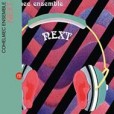
Their second LP, from 1971, with guitarist Joseph Dejean from the Full Moon Ensemble propelling the music forwards, as pianist Dominique Elbaz stands down.
The sound swells and contracts dramatically across the eleven tracks and interludes, with fresh senses of break-down and silence, and new intimacy. There is some Steve Lacy to its fierce repetition of key phrases; some Sharrock to Dejean; sparing experimentation with effects; portions of central African polyphony (Boa Constrictor), summer-breeze funk (Desert Angel), and plenty of characteristically rootsy prog and cosmic skronk.
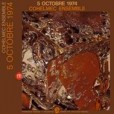
A live recording of a concert given at the Theatre de l’Est Parisien.
Stretched-out but closely textured and highly evocative, more bluesy than before, and brooding with Milesian intensity.
There is a strong spirituality to all of Cohelmec’s music ... but here they go deep.
Try Teotihuacan. Killer.
‘The first collaborative release by Pretty Sneaky and long-time friend and co-conspirator Koldd, aka Norman Levy.
‘Seven themes lysergically weave field recordings of bird calls and wind/water together with pastoral synth lines and resonating modular patches on occasion sideswiped with a bass-heavy thump and stripped back percussion.
‘A mysterious offering for outward-bound heads with lodgings on the dance floor. The sort of thing you might play for your friends after a night out, which blows them to smithereens.’