Your basket is empty

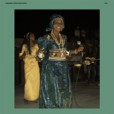
Lovely, hypnotic, rocking peulh music from Dilly commune, Mali, near the border with Mauritania (and the same family grouping as the celebrated singer Inna Baba Coulibaly). Duelling ngonis, calabash, flute, dashes of electric guitar; newly recorded.
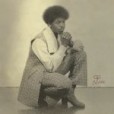
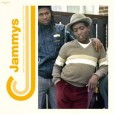
His terrific Positive-Negative LP from 1976, plus singles for Golden Voice, Mercury and Tosted (including the original Now That I Have You), and the sixties sides of his organ-funk combo the TMGs.
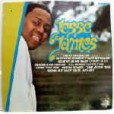
Lovely, characterful, poignant soul music which irresistibly radiates the singer’s worship of Curtis Mayfield and Marvin Gaye.
Al Green, Philly Soul and also-ran frustration are in the wings: What Can I Do came out of Grand Rapids on the coat-tails of Back Up Train; I’m A Stranger was recorded at Sigma, in the slipstream of Be Thankful For What You Got.
“I’m out here all alone… trying to find my way… I don’t know where to roam… I just don’t know what to say about all this… I’m a stranger.”
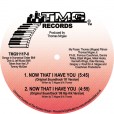
Ecstatic, cosmic soul from 1981, swirling into space on flurries of brass, two-step bass, and TM’s overdosed-with-joy falsetto.
Outsider, casio versions of the Electric Prunes, Ramones and co, al fresco in early-eighties San Francisco.
A cosmic, percussive jam and bitter-sweet electroid house — both veering sharply into dark, steely, dubwise self-harm. Allegedly the fiftieth utterance of our favourite dance music label in the world. Hats off! More worries!
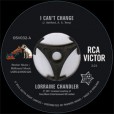
Terrific soulful Northern banger — a Wigan anthem — and classic Motor City fire from Jack Ashford’s Pied Piper Productions. Performed, written and produced by LC.

The sublime 2001 swansong of James Stinson, of Drexciya. ‘By turns luminous and melancholic, low-key and sensuous, wry and soulful’ (Pitchfork).
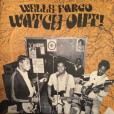
Rare 45s by these standard-bearers of the funky, counter-cultural heavy rock-scene in mid-seventies Rhodesia. Watch Out was its anthem.
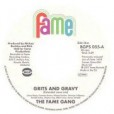
Murderous southern funk from the dawn of the seventies, featuring brilliant fatback drumming by Freeman Brown and cooking organ by Clayton Ivey. Fittingly, producer Mickey Buckins lets off a siren on the flip.
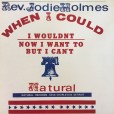
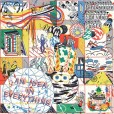
Improvisations between Greenberger reading texts from his massive archive of old people’s testimony, Jones playing banjo and guitar, Corsano on drums.
‘Despite the dark and sad feeling of some of the texts (dealing with aging, memory loss etc), there is also humor, joy and grit. The album is a rollercoaster of emotions, a glittering patchwork of sonic atmospheres and an oral encyclopedia on dozens of subjects, like coffee, cigarettes, planets, art ... life ... and death.’
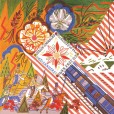
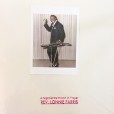
Ed Sanders founded a magazine called Fuck You (in 1962), a radical bookshop on the Lower East Side of NYC, named Peace Eye, and The Fugs.
This is a kind of incantatory left-anarchist history lesson, with interjections on a small keyboard called a pulse lyre, which he invented and built himself. It’s droll, epic, engaging, stirring; warmly recommended.
Presented in a beautiful gatefold sleeve, with lyric sheet.
‘Many mayhemic forces were set against the socialist zone…’