
Your basket is empty

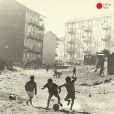
Hotly recommended by our friends Rush Hour in Amsterdam: ‘Starting off with the positively upbeat Umgababa by Kippie Moketsi and the infectious soul jazz of Pat Matshikiza’ s Dreams Are Wonderful (also featuring Kippie Moketsi) proceedings mellow out on side B, only to get extra heavy on the C-side with the sample-ready fusion groover Night Express off their crazy rare 1976 album of the same name and the irresistibly funky Blues for Yusef by Lionel Pillay, two of the many highlights on this action-packed thriller.’
Startlingly accomplished new jazz from South Africa, teeming with ideas, influences and idioms.
Maybe you remember Asher’s drumming on Angel Bat Dawid’s The Oracle.
Hotly recommended.
Half price.

Beautiful, insurgent, fabulously danceable jazz music from South Africa, flowing out of the penny-whistle kwela bands of the 1950s. (Kwela means ‘get moving’, in Xhosa.)
Bra Gwigwi played alto and clarinet alongside Hugh Masekela and Kippie Moeketsi in The Jazz Dazzlers; also in The Jazz Maniacs and The Harlem Swingsters. He came to the UK from Johannesburg as an actor and clarinettist in King Kong — a musical about a Zulu boxer — which opened in London in February 1961.
Recording in January 1967, at Dennis Duerden’s Transcription Centre, he is joined here by Dudu Pukwana, Chris McGregor, Laurie Allan, and Ronnie Beer, all from The Blue Notes. Ladbroke Grove legend, and mainstay of our London Is The Place For Me series, Coleridge Goode plays double bass.
No less than sixteen shots of jubilant, jump-up mbaqanga. Check the Ethiopian vibe of Mra (which became core repertoire of The Brotherhood of Breath). Listen to Nyusamkhaya, and try to get it out of your head. Impossible.
Lovely notes by Steve Beresford, too.
‘The South African folk music that makes people glad to be alive!’
Classic Zamrock, cooking up Hendrix and Taj Mahal, the Congolese rumba and Afro-beat.
12-page booklet.
Scintillating, hard-grooving, vintage afro-funk from coastal Kenya, drawn from rare sevens and a privately pressed LP.
It opens and closes with killer forays into left-field disco, featuring limber percussion and delirious synths, and breakdowns set to liquify dancefloors. Uru Wamiel catches the double-dutch bus to Mombasa, whilst Ndogo Ndogo is irresistibly reminiscent of early eighties New York crossover funk like Monyaka, with clattering drums, rough rhythm guitar, party-down bass, burning horns and all-together-now singing.
Lovely music, beautifully presented in die-cut, silk-screened sleeves.
Paradigmatic yet forward-looking township jazz from 1975.
Braiding Wes Montgomery into marabi, the legendary guitarist leads a stellar line-up of musicians including Kippie Moeketsi, Barney Rachabane, Gilbert Matthews, Dennis Mpale, and Sipho Gumede.
The opener glances sideways at the commercial success of Abdullah Ibrahim’s recent Mannenberg — but the real magic follows on, when the players cut loose in their own, new directions.
This is the first vinyl reissue. Sleevenotes by Kwanele Sosibo feature interviews with key musicians, and previously unpublished photos.
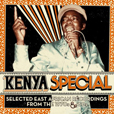
Kikuyu ‘liquid soul’, Luo benga with its rat-tat-tat beat and layered guitars, Swahili afrobeat, Congolese rumba, plus influences from SA and Zambia, disco and funk, coastal rhythms like chakacha. Mostly from 45s.
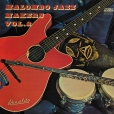
Recorded a year after the debut, continuing the earthy flow of Malombo’s music. The two albums have since been recognised as unique landmarks of South African jazz. Alongside full original artwork, both albums feature a new interview with Julian Bahula.
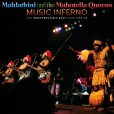
Sixteen newly-discovered recordings from the Incredible Beat Of Soweto tour of the UK in 1988-89, including smash hits like Thokozile, Lilizela, Kazet, and the rest.
Bees-knees, overproof-vibes mbaqanga.
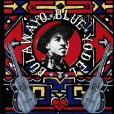
‘Lovely country & western-inspired music from 1950s Zimbabwe, South Africa and Kenya. Fingerpicking ‘omasiganda’ troubadours, train-car yodels, raw slide guitar and haunting travel-weary ballads, from rare 78s all reissued here for the first time. A heavy duty document of a nearly lost scene, and all the songs are stunners to boot. George Sibanda, Josaya Hadebe, Sabelo Mathe, Petrus Mntambo… In old-school tip-on covers, with a 12” booklet of deep research and full lyrics. Co-released with Olvido.’
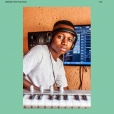
Stark, moody, percussive amapiano.

Sublimely convulsive Shangaan electro-gospel by a pastor from Giyani, Limpopo, recorded in 2008, brimming with aching, plaintive, mournful spirituality. However fractured, multi-faceted and fresh the music comes across — that signature whistle and sampled marimba, a little wonky high-life, rough, skittering drum patterns, no bass — the surging vocal lines and harmonies are unmistakably rooted in traditional South African music.
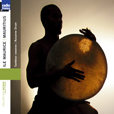
The ravanne is a large drum — a goatskin stretched over a wooden frame — played with the hands, emblematic of the Creole cultural heritage on this island in the Indian Ocean: the music here is fabulous.