
Your basket is empty

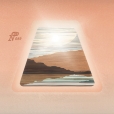
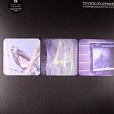
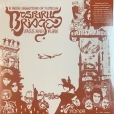
‘The Numero Group guide to private issue new age. Featuring Laraaji, Iasos, Joanna Brouk, Don Slepian, Peter Davison, Master Wilburn Burchette, Jordan De La Sierra, David Casper, Robert Slap and nine other pioneers of the Perrier underground. Adorned with Marcus Uzilevsky’s Linear Landscapes, this 2xLP compilation is housed in a sturdy tip-on jacket and is accompanied by a 32-page booklet. The fourth world awaits.’
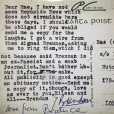
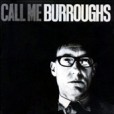
Previously unreleased recordings made in the Chelsea Hotel in 1960 on 1/4” tape, transferred here for the first time; the basis of Confessions Of An Irish Rebel, published posthumously five years later.
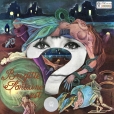
Her 1968 masterwork, arranged by Jean-Claude Vannier, originally released on Saravah. Approved by Brigitte, this expanded edition features the original album, newly remastered from the original tapes, along with a second album of demos, instrumentals, and a live rendition of Il Pleut recorded for France Inter/ORTF. With a twenty-page bilingual booklet, including an introduction by Laetitia Sadier, plus full lyrics and rare archival photos.
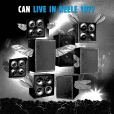
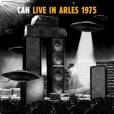
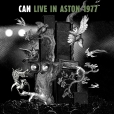
Jennifer Lucy Allan: ‘The heads know — forums and published books alike agree — that 76-77 is the best of the Can live years (Keele included). A couple of the tracks from this show have been included on fan-made ‘best of’ live bootlegs over the years. And wow, are they right.’
Peter Margasak, describing this album in The Wire: ‘The meticulous environments and rhythmic trenches Can had been building from the very start always cast a hypnotic spell, but when they had the freedom to inhabit the material without limitations they achieved the sort of transcendental brilliance that the greatest improvisations can deliver. We may recognise fleeting glimpses of studio tracks here and there, but they’re merely stepping off points for extended trips that convey much greater profundity, propulsion and ecstasy.’