





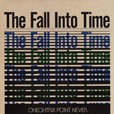
Your basket is empty

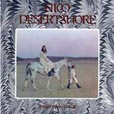
At the harmonium; bleak and utterly captivating. Terrific arrangements by John Cale.
A stone-cold classic.
Bringing together two EPs of hushed, late-night atmospherics.
Intense, dreamlike songs influenced by folk and minimalism, and informed by feminism, ecology and posthuman communication, deploying magnetic tapes, field recordings, and bits from the speech of contemporary thinkers, besides harmonium, organ, violin and cello, toy and electric guitar, and a small choir.

Sexy and ardent, this is great fun.
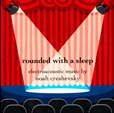
Hyperreal treatments of live woodwinds, banjo, voice, lap steel, piano, guitar.
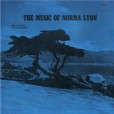
Half-price this weekend.

Lavishly presents previously-unreleased and new material from Sonic Youth, Sun City Girls, Bardo Pond, Comets on Fire, Eternal Tapestry, Steve Gunn, Mouthus, D. Charles Speer and Wooden Wand.
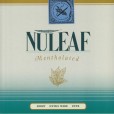

Her third Columbia, from 1970.
With Muscle Shoals crew on side one — Roger Hawkins, Eddie Hinton, Barry Beckett and co — and a lineup convening the Armenian oud-plyer Ashod Garabedian, Duane Allman and Alice Coltrane, on side two.
‘I love my country as it dies in war and pain before my eyes. I walk the streets where disrespect has been. The sins of politics, the politics of sin, the heartlessness that darkens my soul… on Christmas.’
Two spellbinding extended improvisations referring to meteorological and planetary phenomena: evocations of light, wind, clouds, and tidal cycles as shimmering, roaring, rubbing, coalescing and diverging environments of sound; consistent and yet in perpetual flux. The quartet’s signature, singular, honed minimalism subsumes flashes of chaos into winding paths of musical detail; hushed but suspenseful.
Quietly ravishing, stunning music from Norway, by trumpeter Torstein Lavik Larsen, double bassist Adrian Fiskum Myhr, guitarist Fredrik Rasten, and drummer Jan Martin Gismervik.
Gorgeously presented, in a tiny run.
Warmly recommended.
Something else.
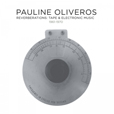
Early, mostly unreleased, truly pioneering electronic work.
‘Through Pauline Oliveros and Deep Listening I now know what harmony is. It’s about the pleasure of making music’ (John Cage).