








Your basket is empty

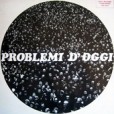
Dark, spooked, early-seventies worries from PU — disguised as M. Zalla, in the throes of his fascination with psychedelia and electronics — with titles like Mondo in Crisi, Problemi Sociali, Azione Sindacale and Mafia Oggi.
Drum-machines, Moog and EMS Synthi.
Still acutely germane; musically and temperamentally.
Demdike Stare has called it the first techno record.
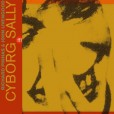
The 1994 return of pioneering electronic guru Richard ‘Heldon’ Pinhas to the forefront of the French underground scene. The fruits of a two-year collaboration with John Livengood from Red Noise and Spacecraft, inspired by Norman Spinrad’s novel Rock Machine. First vinyl issue.
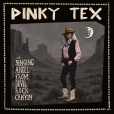
Four portions of lonesome country, by Toody Cole from Dead Moon, and The Rats.
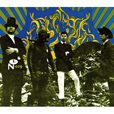
Previously unissued underground rock from 1969, Rockford, Illinois.

His seismic 1956 recordings presented alongside an 88-page book specially authored by Peter Guralnick, featuring numerous beautiful, previously-unpublished photographs.
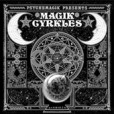
‘Psychedelic funk, cosmic disco, Balearica… and beyond!’
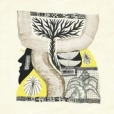
Absorbing new music from Ecuador, named after a street in the historic centre of Quito.
A poignant, trippy, astute, bass-heavy blend of a range of styles including juke, reggaeton and UK garage, flavoured by their to and fro between Latin America and Europe.
Quixosis’ grandad was a key, controversial player in the explosion of musica nacional in the city in the early sixties, and the mix is studded with evocative samples of Italian chanson and South American folk from his record collection, in a kind of reverie about national and self identity, Beat Konducted at the centre of the world.
Check it out.