

Your basket is empty

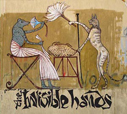
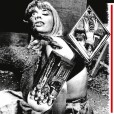
The exciting Cairo-based project of Alvarius B (Alan Bishop from Sun City Girls and Sublime Frequencies), with Cherif El Masri, Aya Hemeda and Sam Shalabi. Fully-fledged, dark, Middle-Eastern-flavoured psych-folk.
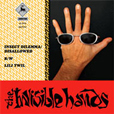
The A is a fully-orchestrated version of two Alvarius B. tracks (one from the Sun City Girls’ 330,003 Crossdressers From Beyond the Rig Veda LP); the B is a Morrocan folk cover sung in Arabic by Aya Hemeda.
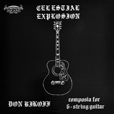
His only solo album, from 1968, when he was on the Greenwich Village circuit, plaiting together blues and Eastern styles in the same neck of the woods as Fahey, Basho et al, but in his own way.
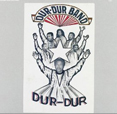
Precious, late-eighties dance music from Mogadishu. Big group — three horns, four singers plus three backing, two guitars, keys, drummer, two percussionists, bassist — choca with funk swagger and highlife shimmy.
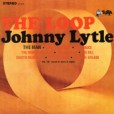
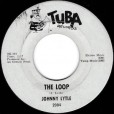
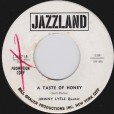
The first of two LPs recorded by the vibes player for the Detroit label Tuba, after Riverside went under in 1964.
With regular trio partners organist Milt Harris and drummer Peppy Hinnant; and Wynton Kelly and George Duvivier dropping in.
Featuring a cracking version of Duke Pearson’s Christo Redentor, and grooving rug-cutters Possum Grease and Hot Sauce… besides the stone-classic Dingwalls-floor-filler The Man.