Your basket is empty

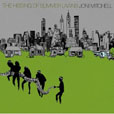
Her mid-seventies turn to jazz, bringing in the Drummers of Burundi. Prince loved it.
The LP is newly remastered by Bernie Grundman under the supervision of Joni Mitchell.
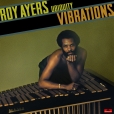
Cornerstone, fully-matured Ubiquity runnings from 1976, with classics like the killer Searching, The Memory, One Sweet Love to Remember, and the laid-back, atmospheric title track. Beloved by the hip hop nation; flipped by luminaries like A Tribe Called Quest, Dilla, Dre, and Common.
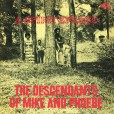
Spike Lee’s dad Bill leading three other family members and percussionists Sonny Brown and Billy Higgins, in 1973. Stone classic spiritual jazz, majestic but intimate, with touches of gospel, soul and classical music. Invoking ancestors in slavery; protesting Attica; celebrating Weldon Irvine. An unmissable version of Bill Lee’s composition Coltrane (the jewel in the crown of Clifford Jordan’s mighty Glass Bead Games, the same year).
Pressed on 180-gram vinyl at RTI, mastered by Kevin Gray (Cohearant Audio), with audio cut directly from the original analogue tapes; featuring previously unpublished photos with new liner notes in a glossy tip-on gatefold.
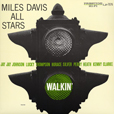
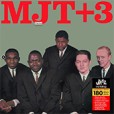
Pulling together a couple of Prestige 10”. The twenty-eight-year-old with Horace, Lucky, JJ, and Dave Schildkraut. (You remember Dave.)
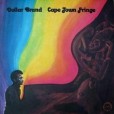
The towering jazz landmark originally issued in South Africa in 1974 under the title Mannenberg Is Where It’s Happening. Recorded with Basil Coetzee, Robbie Jansen, Monty Weber and Morris Goldberg, the music protested the evictions underway from District Six, whereby ‘coloureds’ were murderously booted out to Mannenberg township (where Coetzee was from). The LP sold by the thousands within weeks, becoming South Africans’ unofficial national anthem.
“I’d had the experience of playing dance bands, African dance bands like the Tuxedo Slickers, and we played xhosa, American swing music, mbaqanga… I also played with coloured dance bands — waltzes, quick-steps, squares, paso doble, then also the traditional Cape music…”
An upfully ravishing, hypnotically danceable, rootsily syncretic, universal call to resistance.
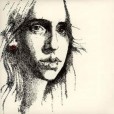
Her third Columbia, from 1970.
With Muscle Shoals crew on side one — Roger Hawkins, Eddie Hinton, Barry Beckett and co — and a lineup convening the Armenian oud-plyer Ashod Garabedian, Duane Allman and Alice Coltrane, on side two.
‘I love my country as it dies in war and pain before my eyes. I walk the streets where disrespect has been. The sins of politics, the politics of sin, the heartlessness that darkens my soul… on Christmas.’
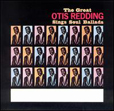
Mr Pitiful at his most powerful, with the MGs in 1965.
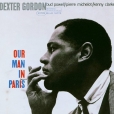
‘Classic Vinyl’ series.
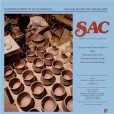
Organically funky, laced with avant-garde synth textures, and studded with breakbeats, the second Outernational is Jeff Resnick’s unique, ultra-rare, 1978 promotional recording for the School for American Craftsmen, at the Rochester Institute of Technology. Five tracks of soul jazz and modal fusion — re-modelling Trane, and opening with a variation of Norwegian Wood — by a local group including trumpeter Jeff Tyzik and pianist Sonny Kompanek; then Resnick mostly solo for the second side, when the money ran out, multi-tracking synthesizers on his home set-up, in an engrossing blend of reflective abstraction, grooving electro and spiritualised fourth-world tropicalism.
Bim!
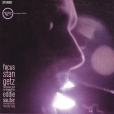
Of all his albums, this was Stan Getz’ favourite. Ours, too.
Freed from the formal orthodoxies of small-group bebop, and revelling in the freedoms opened up by Eddie Sauter’s thrilling strings-based arrangements, lyrical improvisation pours out of the saxophonist (with Lester Young coursing through as per). The music shimmies devil-may-care through jazz, classical, soundtrack, show-tune, and the rest.
Try the dazzling opener. A theme from Béla Bartók’s Music for Strings, Percussion and Celesta is mashed into skittering, paranoid funk, with a killer spot for Roy Haynes. And next up, something quite different, a quiet, complexly tender tribute to Getz’s mum, exquisitely proffered. Just a shame Bill Evans wasn’t sitting in.
Original, knockout; very warmly recommended.
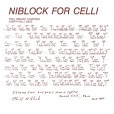
Coming after Nothin To Look At Just A Record, with its densely layered trombones, this is Niblock’s second, rarest LP, from 1984: a collaboration with Joseph Celli (who himself had worked with Cage, Oliveros and Ornette), playing oboe and English horn.
Niblock creates seamless, ringing drones by skilfully cutting all Celli’s breaths and pauses. Play it loud, he says, for its viscerality, and to get its ringing overtones rolling around your room.