Your basket is empty

‘Red Greg’s edit of this disco holy grail.’
Sometimes considered the greatest soul recording ever made, this was in the news a few years ago because a copy of the UK release on London Records went for £14,543.
Sensationally, the flip delivers the previously unreleased instrumental version by the Funk Brothers — the Solid Hitbound in-house band including Rudy Robinson, Uriel Jones, Eddie Willis, Bob Babbit and Dennis Coffey.
Gorgeous, wistful, tentative two-step from her late, hard-to-find, 1974 LP Love Rhymes (with production by Johnny Guitar Watson and David Axelrod).
Bim.
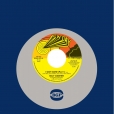
This Detroiter recorded three songs for Dave Hamilton, all of them funk classics.
Originally issued in 1971 on the trim New Day label, I Got Some is the most down and dirty of the trio.
Sampled by Gang Starr.
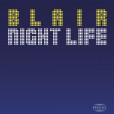
Barney ‘Blair’ Perry was the Blackbyrds’ guitarist for their first two albums. He wrote the mighty Walking In Rhythm. Here he is in 1978 with another killer piece of jazzed-up, how-we-roll, funky disco; massive on the two-step scene.
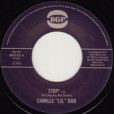
Soul scorchers from Louisiana. A brilliantly convincing cover of Howard Tate, about relationship mindgames, hazily riven with sexual desire; and hard, driven funk on the flip, about men treating women badly. The red-hot band is Buckwheat and his Hitchhikers, before he turned to zydeco — recorded cyclophonically, according to the original label.
A reissue of the 7” issued by ABC in 1974.
Two songs co-written by McKinley Jackson and Lamont Dozier’s brother Reggie; produced by Jackson.
A double header from the Detroiter. Both highly-sought-after sides are reissued here for the first time.
Only previously issued as a UK promo 7”, Lend A Hand became one of the biggest ‘modern’ Northern Soul tracks of all-time after spins at venues like the Highland Room at the Blackpool Mecca, and Wigan Casino. The track was first championed by DJ Colin Curtis in 1974.
From 1969, Come See What’s Left Of Me is on the mellower side of Northern Soul, but still a dancer, and another classic. First ushered onto the Northern scene at the Stafford All-Nighters back in 1985.
We ship worldwide. The postage rates for your order are displayed before payment, which is processed using Paypal. You can pay using your Paypal account or any of the following cards. No need to join Paypal.