

Your basket is empty


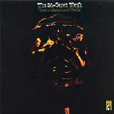
Released by Stax in 1973 — a massive rare groove album, sampled by Digable Planets and Jay-Z (amongst others) — Ghetto: Misfortune’s Wealth was a brooding, deep-funk admonition to the new black middle class, with no prospect of commercial success.
For its follow-up, Dale Warren cut out the rhetoric, and for political consolation dug deep into his musical roots, and his time in the mid-sixties as a songwriter at Shrine and Motown.
But Stax closed in 1975, and the tapes were abandoned. Now, miraculously retrieved from a Chicago basement, here’s a precious taster: hurt, disillusioned, beautiful, pure, sensuous Windy City soul music ,jazzy but street, musically sophisticated but emotionally direct.
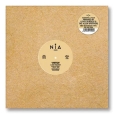
The sleeve is all-black, with black-on-black text, and an embossed silhouette of the group — ‘probably the nicest single LP we’ve ever made’, says Numero.
Hurt, disillusioned, beautiful, pure, sensuous Windy City soul music from the mid-1970s, never out before.
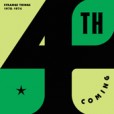
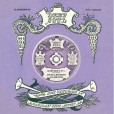
Underground soul and funk from early-seventies LA — Henry Porter, Jechonias Williams and co, with one foot inside the Watts 103rd St. Rhythm Band — lovingly unearthed by Now Again.
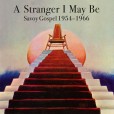
The first of three volumes surveying surely the mightiest Gospel label of them all.
Stomping, rollicking gospel music, intermingling with raw soul, searing blues, hard-rocking doo-wop and jazz, and storming r&b.
Infused and incandescent with the hurting, surging indignation of the Civil Rights movement, here are twenty-four precious scorchers by giants like the Staple Singers and Jimmy Scott, alongside devastating sides by less celebrated names like the Harmonising Five of Burlington, North Carolina, and teen-group the North Philadelphia Juniors, culminating triumphantly with slamming, sanctified versions of Hit The Road Jack and Wade In The Water. Drawn from nigh-impossible-to-find 78s, sevens and LPs, hardly any of these recordings have been reissued since their first release.
Presented in a gatefold sleeve, with full-size booklet; beautifully designed, with stunning, rare photographs and original Savoy artwork. Sound restoration and mastering at Abbey Road; pressed at Pallas.
Co-curated by Greg Belson, compiler of Divine Disco; with deep, extensive notes by Robert Marovich, author of A City Called Heaven: Chicago and the Birth of Gospel Music (University of Illinois), and host of the award-winning radio show Gospel Memories.
An extensive, sumptuous survey of surely the mightiest Gospel label of them all.
Sixty-one gems of stomping, rollicking, desolate, ravishing gospel music, intermingling with soul, blues, doo-wop, jazz, r&b, disco and boogie.
Presented as a sixty-page mini-book, with CDs suspended in card sleeves; perfect-bound, exorbitantly expensive to produce, lovely.
‘Red Greg’s edit of this disco holy grail.’
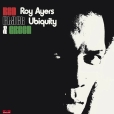
Unmissable LP from 1973; round about the same time as Coffy.
Murderously pimped versions of Ain’t No Sunshine and Papa Was A Rolling Stone open and close. There is a slinky, bubbling go at Aretha’s gorgeous Day Dreaming, and the classy, tricky jazz-funk of Cocoa Butter. Not to mention the Pan-African title track: stone-cold-killer, energising, utterly essential Roy Ayers funk.
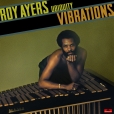
Cornerstone, fully-matured Ubiquity runnings from 1976, with classics like the killer Searching, The Memory, One Sweet Love to Remember, and the laid-back, atmospheric title track. Beloved by the hip hop nation; flipped by luminaries like A Tribe Called Quest, Dilla, Dre, and Common.
We ship worldwide. The postage rates for your order are displayed before payment, which is processed using Paypal. You can pay using your Paypal account or any of the following cards. No need to join Paypal.