

Your basket is empty

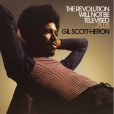
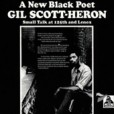
This compilation of the best of Gil Scott-Heron’s Flying Dutchman output was originally released in 1974, pulling together tracks from his first three albums: Small Talk At 125th And Lennox (1970), Pieces Of A Man (1971), and Free Will (1972).
This very welcome LP reissue is a top-notch pressing, resplendent in the original gatefold sleeve.
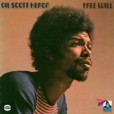
His third LP, following up Pieces Of A Man in 1972. One side of collaborations with Brian Jackson; the other, spoken word.
Adding alternate versions, the CD runs through the entire tracklisting twice.
The more expensive LP is newly remastered — all-analogue style, from the master tapes.
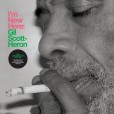
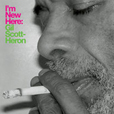
An expanded version of the album, adding two unreleased tracks — a cover of Richie Havens’ Handsome Johnny and a previously unheard Scott-Heron song, King Henry IV — as well as a selection of other recordings from the original sessions only previously available on a rare, deluxe LP edition.
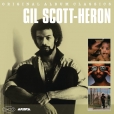
Real Eyes, Reflections, Moving Target.

Fabulous survey of Allen Toussaint’s Sansu label, from 1965 on, mixing one-aways with legends.
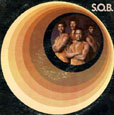
Richard Evans and Charles Stepney arrangements across a range of soul idioms; and top-drawer harmonizing, Temptations-style. A rare album — sampled by A Tribe Called Quest!
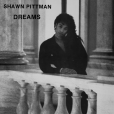
Spare, slow burning soul with Jimmy Jam and Terry Lewis at its core, from 1989 Detroit, courtesy of the Inner City milieu. On the flip, the dubwise club mix of I’m Losing Control is ace Motor City house, with heavy, grooving bass, splashing drum machine, and driving-by-night keys.
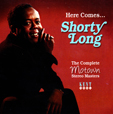
The complete Motowns — two albums and a pair of out-takes.
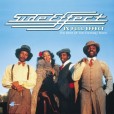
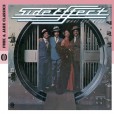
Consummate jazz-funk and two-step soul from their time with Wayne Henderson’s At Home, in 1975-76. Stone classic vocal takes on Ronnie Laws’ Always There and the Crusaders’ Keep That Same Old Feeling, through sublime mid-tempo harmonising like She’s A Lady, to jiggy jiggy murder like S.O.S. (which with sth assistance of gospel diva Helen Baylor trumps even Esther Phillips’ ace version).