
Honest Jons logo

‘Wild ecstatic vocals, distorted electric guitars, rocket bass, and an amphetamine beat! Unlike anything else, this is THE high life music you’ve always wanted — ceremonial music played with abandon and extreme intent, honoring the living and dead alike.
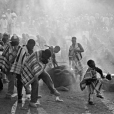
‘In Toliara and its surrounding region, funerals, weddings, circumcisions and other rites of passage have been celebrated for decades in ceremonies called mandriampototse. During three and seven days, cigarettes, beer and toaky gasy (artisanal rum) are passed around while electric orchestras play on the same dirt floor as the dancing crowds and zebus. Locally and even nationally renowned bands play their own songs on makeshift instruments, blaring through patched-up amps and horn speakers hung in tamarind trees, projecting the music kilometers away. Lead guitarists and female lead singers are the central figures of tsapiky.
‘What results during these ceremonies is unclassifiable music of astonishing intensity and creativity, played by artists carving out their own path, indifferent to the standards of any other music industry: Malagasy, African or global.’

Two EPs of storming, squinty Shangaan Electro to herald the European tour of Tiyiselani, the Tshetshas and producer Dog, in the summer of 2011.
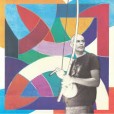
Lovely new recordings of maloya music, from Reunion, in the Indian Ocean.
Heartfelt singing amidst bustling, organic percussion, featuring kayanm shakers and berimbau-style bobre, with a pendulous bottom end.
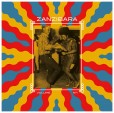
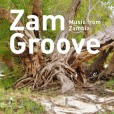
A fabulous selection of Swahili popular music from the East African coast — Lamu, Mombasa, Tanga, Dar es Salaam, Zanzibar and the Comoros — taking in Tanzanian dance-band music, Congolese-style rumba and the hypnotic, Islamic sounds of Taarab, from the 1960s to date.
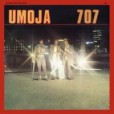
An early seventies South African expression of the London Beat scene, mixing in R&B, funk and moon-stomping, organ-led reggae. The 45s Reggae Shh! and Reggae Meadowlands were big underground hits on the Mod scene.
Featuring top-notch South Africa session musicians like guitarist Johnny Fourie and keyboardist Zane Cronje.

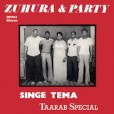
Deep taarab from 1982.
Zuhura and co came through the Mombasa scene of the 1970s, with a more uptempo musical style, and with Zuhura turning away from the usual Bollywood influences towards traditional Swahili poetry, for her direct, feminist lyrics.
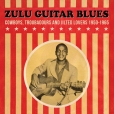
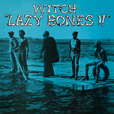
‘Amazing! Like stumbling on a treasure-trove of unheard Charlie Patton and Blind Willie McTell 78s, but imbued with the spirit of Mahlathini and Ladysmith Black Mambazo,’ says Joe Boyd.

1234