
Your basket is empty

Carl Craig back on Honest Jon’s, in devastating form: nervy and urgent, epic and apocalyptic, kicking and funky. Lagos re-tooled in Detroit.
This mix by Mark Ernestus — one half of the Basic Channel, Maurizio and Rhythm And Sound teams — kicks off our series of reworkings of tracks from Tony Allen’s Lagos No Shaking album.
Like a dream, but authoritatively, this remix from Jamaica magnificently crosses the Afrobeat of Fela Kuti with the grounation reggae tradition of Count Ossie.
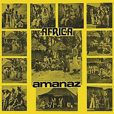

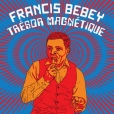
Plenty of TKOs — the Colombian opener, for example — beautifully presented.
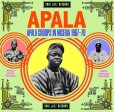
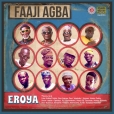
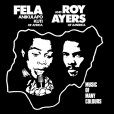
A moving, mind-boggling testament to Afrobeat, with shout-outs from Ghana, Trinidad, the US and elsewhere.
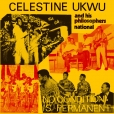
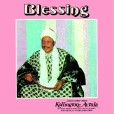
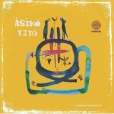
A compilation of the deepest and most affecting songs by The Philosophers National from Nigeria, beginning in the 1970s. Lilting, multi-layered, pulsing music, with muted trumpet solos, mesmerising guitar runs, driving percussion, and concise and clear-eyed lyrics sung so beautifully by Celestine Ukwu.
‘Celestine ditched the jaunty dance rhythms and relatively facile lyrics typical of the reigning highlife tunes, and ignoring the soul music tropes most of the highlife bandleaders were appropriating in an effort to inject new life to their ailing format. Instead Celestine concocted a new highlife style that was more contemplative and lumbering; with the layering of Afro-Cuban ostinato basslines and repetitive rhythm patterns that interlocked to create an effect that was hypnotic, virtually transcendental. Meanwhile, Celestine himself sang as he stood coolly onstage in a black turtleneck and a sportscoat, looking like a university professor. The message was clear: this was not necessarily music for dancing—even though the rhythms were compelling enough. This was music for the thinkers’ (Uchenna Ikonne).
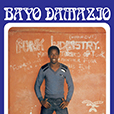
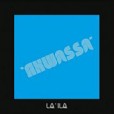
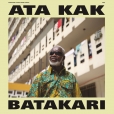
Classy, spaced funk, originally issued in 1981 by Phonodisk, the most ambitious Nigerian label at that time. The Mighty Flames band expertly blends an Afro-cocktail of Roy Ayers, Kool And The Gang, Chic…
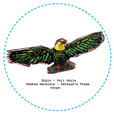
Diplo / Newham Generals / Elewedu Of Agege
Fuji Ouija / Tetsuya's Theme / Dance / Thank You
Honest Jon's Records
A Lagos fuji session sets Diplo tearing up walls and stomping across the ceiling; a fragment of afro-folk percussion triggers the Generals’ brilliant futurism; and two sumptuous cuts of the original deal.
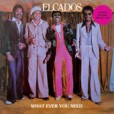
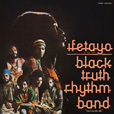
Initially the Moonrakers, formed in Kanu in 1968, by Steve Black, Rocky Mustapha, Tony Nosika and Frank Martins. This is their swansong, a decade later: irie Afro-disco.

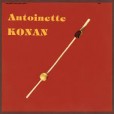
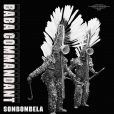
‘Returning from Paris home to Côte d‘Ivoire in 1974, Ernesto began looking for like-minded musicians to form the mighty Ziglibithiens. Diabo Steck (drums), Bamba Yang (keyboards & guitar), Léon Sina (guitar) and Assalé Best (saxophone) would become the core of the group and together with Ernesto they began thinking of ways of combining the rhythms and chants of the Bété people together with makossa, funk and disco. He called his experiment Ziglibithy and his first two albums — recorded at the EMI studios in 1977 in Lagos and released on the Badmos label — took West Africa by storm, turning Ernesto Djédjé into an icon overnight, and one of the all-time legends of African music.
‘The song Zighlibitiens, brought to Colombia by an aeronautical mechanic in the early 1980, would become a huge hit on the Caribbean Coast. Renamed El Tigre by locals soundsystem operators, it attained holy-grail status in Barranquilla and Cartagena. Setting fire to innumerable local parties, it has become one of the most sought-after albums in that part of the world. And so while Ziglibithy has mostly disappeared from the airwaves of its country of birth, on the other side of the Atlantic, its fire continues to shine bright.’
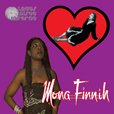
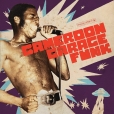
Boogie-down cosmic funk — like full-throttle Roy Ayers. Jimi Adams packs his inner Hendrix off to Funky Town; the horns are the horniest; Mona runs it all down with an irresistible West African tilt.
We ship worldwide. The postage rates for your order are displayed before payment, which is processed using Paypal. You can pay using your Paypal account or any of the following cards. No need to join Paypal.