Your basket is empty

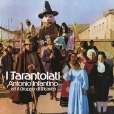
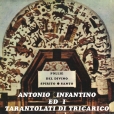
Startling 1975 excursions into Tarantism — a kind of hysteria ostensibly triggered by spider bites, for which dancing is the only cure, with its own set of cultural traditions based in Basilicata, Apulia, Sicily.
Obsessive, hypnotic chants, rhythms, and drones, mixing together folk, avant-gardism, and psych, with shots of Dylan and North African drumming.
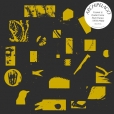
A fresh, engaging compilation, spanning 1978-1988: a decentred, porous map of the Gallic musical scene during the Sono Mondial era, running routes from the suburbs of Paris to and from the French Caribbean Antilles and throughout the African diaspora; and revelling in the new general access to electronic instruments like synthesizers and drum machines.
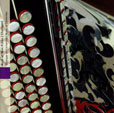
From the north-eastern provinces, mixing Spanish, African and Guarani influences (and long derided for it), a distant cousin of tango. Guitar and six-string guitarron, accordion and bandoneon, double bass, singing.
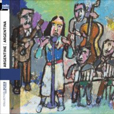
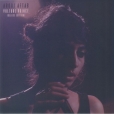
Haydee Alba’s 1990 debut album — emotional and poetic from the off, already steeped in tradition — following the evolution of the form over its nineteen tracks. ‘An artist’s job is to make her public dream.’
Superb singing, in Urdu, with reined-in accompaniment by Vijay Iyer on pianos and electronics, Shahzad Ismaily on bass and Moog.
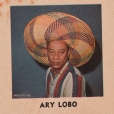
Ary was the most celebrated of those singers and songwriters emerging from Belem do Para in the 1950s, with deep Afro-Brazilian roots. He kick-started the sixties with his best LP Aqui Mora O Ritmo, The Rhythm Is Here. One year later his album Cheguei Na Lua (I Landed On The Moon) revealed his passion for space travelling and for the moon in particular. He released one LP per year till he left RCA in 1966. He made a ton of money and lived notoriously large.
The sleeve-notes of his 1958 debut Forro Con Ary Lobo are quick to nail his accomplishment: ‘An absolute master of Baiao, Coco, Batuque and other related musical genres, and the owner of an art one hundred percent his own, Ary Lobo is the ideal
interpreter of northeastern songs.’
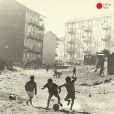
Hotly recommended by our friends Rush Hour in Amsterdam: ‘Starting off with the positively upbeat Umgababa by Kippie Moketsi and the infectious soul jazz of Pat Matshikiza’ s Dreams Are Wonderful (also featuring Kippie Moketsi) proceedings mellow out on side B, only to get extra heavy on the C-side with the sample-ready fusion groover Night Express off their crazy rare 1976 album of the same name and the irresistibly funky Blues for Yusef by Lionel Pillay, two of the many highlights on this action-packed thriller.’