

Your basket is empty

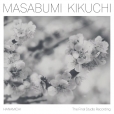
This is sublime. Check it out!
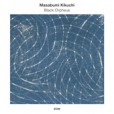
‘The most affecting solo piano album I’ve heard since Keith Jarrett’s much-loved The Melody At Night, With You more than 20 years ago’ (Richard Williams).
‘... the notes hang individually in the air as though being held up to the light… It’s so slow and patient, it becomes an observation of passing time’ (The Wire).
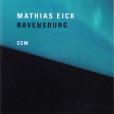
Evocative, engaging considerations of close relationships, a bit like a family portrait, centred on the German town of Ravensburg (home of the trumpeter’s grandmother), by a sextet including affective violin and two drummers, involving African percussion, homemade cymbals and bundles of brushwood, with ‘driving rhythm at the bottom end and soaring melody at the top.’
Alluring duets by Swedish nickelharpa and accordion, inspired by Bach’s sonatas and Pergolesi. (You might recall Matinier from sessions with Anouar Brahem and Louis Sclavis.)
‘These seriously playful/playfully serious gentlemen share the same vibe: a strong sense of speed and importance, paired with a kind of childlike curiosity for what lies behind the next bend. Alternating between baritone saxophone, flutophone, slide flute, clarinet and bass clarinet, phrases are repeated and elaborated, questions, answers, rhetoric, ornamentation, criticism, and free flow, all this and more can coexist when it comes from the same source.
There is a lot of commotion in this music, a lot of pressing and panting. But there are also feelings in the brutality, a brutal finesse that leads us from one sonic landscape to another. Not like a hike, more like a run through forests and scrubs, down steep slopes and up through narrow gorges…’
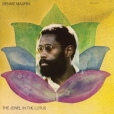
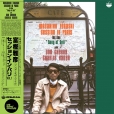
‘A more selfless album is hard to imagine,’ according to Down Beat in 1975. ‘The sound is supreme, and all the players strive to achieve a thorough blending.’ Recorded in New York in 1974, the disc’s personnel is drawn from the circle around Herbie Hancock in the period, but the music has a character all its own.
‘A classic of 1970s spiritual jazz, and as much as any recording on Strata East or Black Jazz, Maupin’s ECM offering is a wonder of arrangement and composition with gorgeous ensemble play, long yet sparse passages, space, and genuine strangeness. Maupin plays all of his reeds and flute in addition to glockenspiel here; Summers’ percussion effects include a water-filled garbage can. The two drummers swirling around in different channels don’t ever play the same thing, but counter and complement one another. And Hancock plays some of the most truly Spartan and lyrically modal piano in his career here… This album sounds as timeless and adventurous in the present as the day it was released’ (AllMusic).
‘Luminessence Series.’
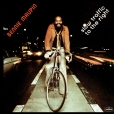
That’s Maupin on Bitches Brew, and Lee Morgan’s Live At The Lighthouse, and Head Hunters. He co-wrote Chameleon. From 1977, this is killer fusion in the same dazzling tradition — as confirmed by transformative readings of two classics by the Mwandishi sextet, Quasar and Water Torture, from the LP Crossings. We’re in the same neck of the woods as Eddie Henderson’s two deadly Blue Notes around this time — Sunburst and Heritage — and the great trumpeter is here. Also Patrice Rushen, who plays a blinder: check her out on the opener. Pat Gleeson, who introduced Herbie to synths, Head Hunters mainstay Paul Jackson, Blackbyrd McKnight, from Flood and Man-Child…
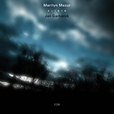
Marimba, bowed vibraphone and waterphone, hang, bells, gongs, cymbals, magic drum, log drum, sheep bells, Indian cowbells, udu drum, various drums and metal-utensils… with Jan Garbarek.