
Your basket is empty

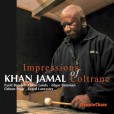
The vibes maestro leading a sextet including Sunny Murray and Byard Lancaster.
The jazz-dancer The Known Unknown was the boom tune back in the day, but this is excellent throughout, as unjustly neglected as the SteepleChase albums which came next.
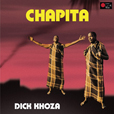
Fat, glorious mid-seventies South African afro-jazz classic from the vaults of As-shams.
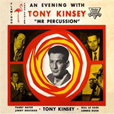
The house drummer of the Flamingo jazz club throughout the fifties, presenting a 1961 date featuring Tubbs and Jimmy Deuchar. Vibes-player Bill Le Sage leads the gorgeous ballad World Of Blue.
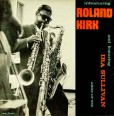
With Jaki Byard, Richard Williams, and Elvin Jones at Van Gelder’s in 1965 — a wildly brilliant mixture of homage and experimentation, New Orleans manzello, noise, Middle Eastern vibes, modal grooving… Unmissable.
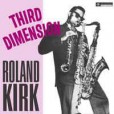
Raw, blue, and sensational, with Kirk playing the tenor sax, manzello, and stritch simultaneously. Originally released by King in 1956, entitled Triple Threat.
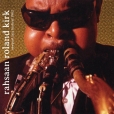
A quartet featuring Andrew Hill, stretching out on selections from Kirk’s recent LPs Domino and We Free Kings. The original WKCR-FM broadcast, properly restored and remastered.
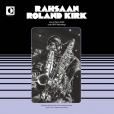
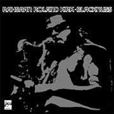
From one of his most creative periods, leading the Vibration Society — Ron Burton, Dick Griffin, Jerome Cooper and co — through one-of-a-kind, freewheeling, radiant wonders like The Inflated Tear (about his going blind) and Volunteered Slavery. Stevie’s My Cherie Amour pops up, trailering next year’s Blacknuss LP.
Kirk called it all ‘black classical music’.
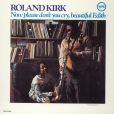
His only recording for Verve, from 1967. Check the lineup: Lonnie Liston Smith, Ronnie Boykins, and Grady Tate. This is where Kirk starts to get his groove on. Next stop, Blacknuss. Terrific version of Alfie.
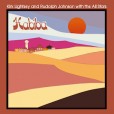
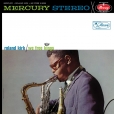
Originally released by Gallo in 1974, this is a raw, impassioned, stunning set led by bop pianist Kirk Lightsey (a regular sideman for Chet Baker) and saxophonist Rudolph Johnson (from Black Jazz), on a break from touring South Africa with Detroit crooner Lovelace Watkins.
A heavy-duty excursion into post-Coltrane spiritual modernism, ranging from the modal, cerebral intensity of the side-long title track Habiba, to the downhome breakbeat groove of There It Is, and the dark glitter of minor-key waltz Fresh Air. Long one of the most desired global jazz LPs, and never before available outside South Africa, Habiba is a forgotten masterpiece of its era.
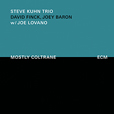
With David Finck and Joey Barton, and Joe Lovano guesting.
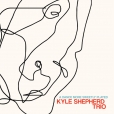
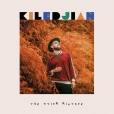
Radiant, probing piano-trio-jazz by this celebrated ensemble, reaching out in all directions from bluesy, funky, South African roots.
‘It just came down to playing some tunes that we like and we can flow with, so that we can be inspired and express ourselves in a very natural organic way,’ says Kyle. ‘We walked away from the from the studio feeling like – you know, we actually really enjoyed playing this record!
‘With this record, I felt less attached to any sort of predetermined concepts except that we would play some music that I wrote that we like – a selection of things that we like to play. It felt like a bit of a tonic – every musician gets a chance to breathe through the music, and the music just flows and moves as organically as we could make it.’
Ten Shepherd originals, plus a reading of Massive Attack’s Teardrop and a deconstructed take on Journey’s Don’t Stop Believing.
The album’s title nods to William Kentridge, with whom Shepherd collaborated on Waiting For Sybil.
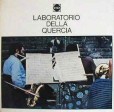
Encapsulating the culmination of a joyously ambitious twelve-day jazz project mounted in 1978 at the ancient amphitheatre Tasso della Quercia, in Rome: the collaboration (in different group configurations) between key Italian avant-gardists like the saxophonists Tommaso Vittorini, Eugenio Colombo and Maurizio Giammarco, trumpeter Alberto Corvini and trombonist Danilo Terenzi, together with visiting players such as Steve Lacy, Steve Potts and Evan Parker, Roswell Rudd, Frederick Rzewski and Noel McGhee.
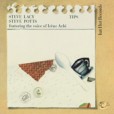
Utterly captivating settings for soprano and alto saxophone — Lacy and Steve Potts terrifically on song — of Georges Braques’ bons mots. With Irene Aebi.
Recorded in 1979 by Jef Gilson.
The first CvsD re-release of Lacy’s full Hat Hut oeuvre, mastered from the original tapes.