Your basket is empty

A Hamlet moment two hours long.
‘The Voice of the People’.
‘The Voice of the People’.
Trá Pháidín are a nine-piece from Conamara, Galway, a wild coastal region of West Ireland, where Gaeilge remains the first language. They make a joyful noise — a unique and unpredictable blend of traditional Irish folk, post-rock, jazz, and Dadaist absurdity.
Their album An 424 is a freewheeling, dialectical consideration of the 424 bus route and its passengers, passing up and down the coastline from the Gaeltacht into anglophone Ireland, and vice versa, and taking in wondrous locations like Cuan na Gaillimhe / Galway Bay, An Bhoirinn / the Burren, na hOileáin Árann / the Arann Islands, Aillte an Mhothair / the Cliffs of Moher, Portach Mhaigh Cuilinn / the bogs of Maigh Cuilinn, Bóthar Loch an Iolra / Eagle lake road, Cuan Casla / Casla Harbour, Cuan an Fhir Mhóir / Greatman’s Bay, Cnoc Mordáin / Mordáin hill, Sléibhte Mhám Toirc / the Maamturk Mountains, Na Beanna Beola / the twelve pins…
‘This is a topic you could write a PhD about (and maybe someone already has),’ says the band. ‘But if you are someone who grew up or lives in this region, you have a particular understanding at this stage of how complicated Gaelic psyche is and the kind of spectrum of identity along bóthar Choise Fharraige. With the landscape in mind, this bus journey is a great meditation on the various topics of life.’
Listen out for flights of wild improvisation filled with brass, woodwinds, harp, and fiddles… and hard-nosed grooves.
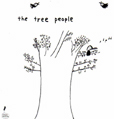
Stephen Cohen’s hushed, affective, dazed underground folk, recorded in Oregon in 1979. Lovely music, beautifully presented by this Japanese reissue label to watch. Guerssen vinyl.
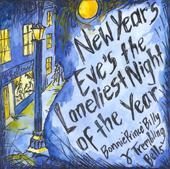
A terrific, bountiful seasonal single — with Bonnie Prince Billy in his cups on one side, and Mike Heron from The Incredible String Band on the other, with a Boxing Day ghost story. Beautifully sleeved, limited.
‘Jesus fucking shit! These jamz claw so hard at the tatties below methinks the Lord misnamed them, having intended to say trembling BALLS’ (Will Oldham). ‘My kind of band… Highly recommended’ (Joe Boyd).
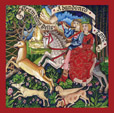
‘brilliant… concise, deeply romantic, totally original ****’ (Mojo); ‘freewheeling and delightfully quirky ****’ (The Guardian); ‘CD Of The Week… terrific’ (The Observer); ‘like nobody ****’ (Sunday Times).
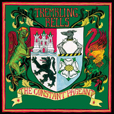
‘New levels of excellence… a poetic incantation of British identity far brighter than Michael Gove’s proposed GCSE history syllabus *****’ (The Sunday Times). ‘Magnificent ****’ (The Guardian).
‘Hair-raisingly good… incandescent’ (The Observer).
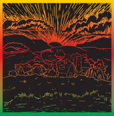
Entirely exclusive music, unique to this release, with a radiant silk-screened sleeve: four from The Marble Downs sessions with Will Oldham, a Scott Walker to start; and a side of unaccompanied folk singing.
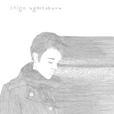
Gorgeous, downbeat, giddy with reverie, longing and loss. Led by Inigo’s guitar, banjo, ukelele or harmonium; with classic brass-band charts. Recorded by James Blackshaw’s engineer; mastered by Rashad.
Superb first album from Andy Cabic, Devendra Banhart, Otto Hauser et al.