


Your basket is empty

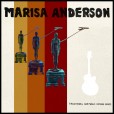
Nine tunes copped from the archives of the legendary 78s collector Harry Smith — ‘pointedly taken from regions shaped by major US conflicts since Anderson’s birth in 1970. While her fascinating liner notes track what is lost and found when trying to translate these compositions, their universal musicality still cuts through. Opener Quodlibet is beautiful: an intricate, minor-key medley of Uzbek tunes originally performed on the dambura (a fretless lute), on which Anderson adds bluegrass techniques to counter her inability to play quarter-tones on her guitar. Her take on a qawwali vocal tune, Hamd, is also a highlight, her stacked guitar layers ringing with warmth and emotion. Gisela Rodríguez Fernández adds violin to Sarvi Simin, a shimmering tune from Soviet-era Afghanistan, while a Yemeni tune, Zar, intended to exorcise evil spirits from the sick, sees Anderson and Fernández constantly rearranging five notes without repetition. Dark ambient moods are also conjured in Pair of Duduk, on which Anderson shifts the drones of Armenian woodwinds on to reverb-heavy guitar and bassy synths, while in Vietnamese tune Whistle Song, transferred from bamboo flutes to electric piano, the composition’s closeness to minimalism sings out.’
Wonderful. Here’s to volume two.
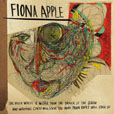
Superb fourth album, bare but sparkling, steeped in her vaudevillian take on Americana, rawly confessional and beautifully voiced as ever — a mid-thirties heartful of fierce discontent.
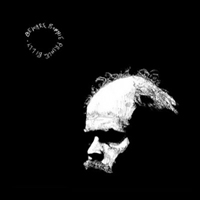
Back in business, with his best outing for a while, this is class.
Fine songwriting, steeped in its own version of Americana (Don Williams, late Elvis), and richly produced.
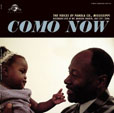
Following Alan Lomax, Daptone placed a small local ad, asking singers to show at Mt Marian Church a certain Saturday. This marvellous record of acappella gospel is the result, including everyone who showed up.
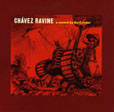
Politically indignant, sorely poignant, musically prodigal — Tex Mex through cartoon-Chinese reggae through Brecht ‘n Weil — elegy for local LA neighbourhoods like Chavez Ravine, swept away by 1950s capital.
Lovely. Classical songs by such exemplars as Schubert and Schumann, re-imagined with heart and soul as bare, doleful folk. Just voice and electric guitar.

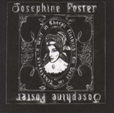
Terrific — lit-up, reaching and odd — Josephine playing harp, guitar and piano (and singing), with Alex Nielson on drums and Victor Herrero, lead guitar.
We ship worldwide. The postage rates for your order are displayed before payment, which is processed using Paypal. You can pay using your Paypal account or any of the following cards. No need to join Paypal.