Your basket is empty

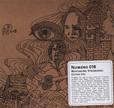
‘Bridging the gap between American primitive pioneers John Fahey and Leo Kottke and the California Modernists… the private side of the solo guitar movement from 1966-81.’ 40-page booklet, usual Numero class.
Male folk singers mithering and dithering all the way from 1970 to 1983: very introspective, sombre, spare and intimate, most of it originally pressed privately, plenty of it beautiful and haunting.
‘Gram Parsons had been orbiting the idea of Cosmic American Music for some time. In ‘68, he’d parted ways with the Byrds and was looking to take air with a new project. “It’s basically a Southern soul group playing country and gospel-oriented music with a steel guitar” he told Melody Maker, on the subject of The Flying Burrito Brothers. So it was that when A&M’s Burrito Brothers debut The Gilded Palace of Sin made it to shelves in February of 1969, early adherents to the Cosmic American gospel were already echoing its message from areas flanking Gram Parsons’ Southern California hills and canyons. There was F.J. McMahon in coastal Santa Barbara, Mistress Mary further inland in Hacienda Heights, and Plain Jane of Albuquerque, New Mexico…’
A trippy, littoral compilation of blissed-out folk-funk, Balearic, AOR, and softly fizzing electronica, from long-forgotten early 70s cassettes, right up to date.
‘A psychoacoustic odyssey through the American South, influenced as much by Dock Boggs as by Luc Ferrari. This isn’t ‘avant-folk’ as per, but more expansive avant-garde compositions using components of traditional music as tools for storytelling. There are banjos, but they bounce around the stereo field in hypnotic patterns; there are autoharps, but they’re bowed, left detuned by time and humidity, and augmented with sounds of screeching cicadas.
‘Check out the haunted, ambient interpretation of the murder ballad Omie Wise, featuring fourteen different versions of the song time-stretched and overlaid with pedal steel by Tongue Depressor’s Henry Birdsey. It’s a wild listen!’
Wonderful, half-enraptured, half-stoned, full-blown re-imagination of vintage country soul sublimity. (He likes Washington Phillips; you can hear Curtis.) Five star reviews everywhere.
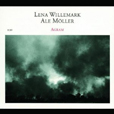
The Nordan Project, combining Swedish folk and jazz improvisation. With Palle Danielsson on bass, from various Charles Lloyd, Keth Jarrett and Jan Garbarek lineups.
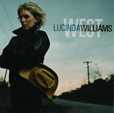
Mostly this is slow, stricken Lucinda, as moving and compelling as she gets, grieving for her mum and furious with an ex. Worth putting up with the Patti Smith impressions.
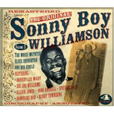
With Big Joe Williams, Robert McCoy, Henry Townsend, Yank Rachell and co.
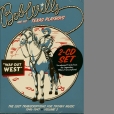
The 1984 Hollywood novel, captivatingly read by Will Oldham. (Wurlitzer wrote the Two-Lane Blacktop screenplay for Monte Hellman, and Pat Garrett And Billy The Kid for Peckinpah, amongst other illustrious works.)
1950s recordings by Bob Copper and Peter Kennedy — selected and presented by Shirley Collins in ways weighted towards the social lives and values of the performers.