Your basket is empty

With Big Joe Williams, Robert McCoy, Henry Townsend, Yank Rachell and co.
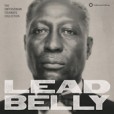
More than a hundred recordings — including fourteen previously unreleased tracks, and two radio shows from 1941 — housed in a hardbound 12-inch album, with a 140-page book of essays and rare photos.
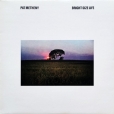
His debut, from 1976; emerging from the tutelage of Gary Burton. Lovely, out-in-the-wide-open Americana Jazz, with dazzlingly lithe bass-playing by Jaco Pastorius. Bob Moses nails it, too. It’s never sounded better than in this iteration as part of the Luminessence Series. Hang about for the Ornette cover, wrapping things up.
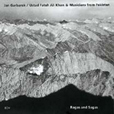
With Ustad Fateh Ali Khan singing; Ustad Shaukat Hussain, tabla; Ustad Nazim Ali Khan, sarangi; Deepika Thathaal, voice; Manu Katche, drums.
With Miroslav Vitous and Pete Erskine.
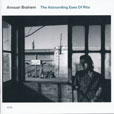
Crafted, swinging, soulful Middle Eastern jazz, led by oud and bass clarinet. Dedicated to the great Palestinian poet Mahmoud Darwish. (Why he didn’t win the Nobel Prize isn’t a mystery.)
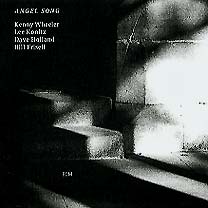
With Lee Konitz, Bill Frisell, and Dave Holland.
The last recording by the late Canadian trumpeter — such a mainstay of contemporary UK jazz — stamped with his trademark melancholy… lyrical, sly, sinuous. ‘As a graceful coda to a wonderful career, not to be missed by anyone who ever fell under Kenny’s spell, however belatedly’ (Richard Williams).
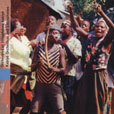
Highly rhythmic ensembles of percussion, flutes, whistles and trumpets from the mountainous north of the country; and brilliant pichanchalassi playing, five flat stones struck with two oval stones.
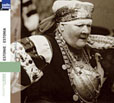
From the south-east corner, with uneasy Estonian identity, and ties to Russia via the Orthodox Church — striking singing about everything, in different lineups, with recordings from the 1930s till up to date.
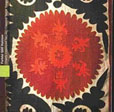
Shashmaqom trio improvisation from Uzbekistan, artful and serious: heartfelt singing and fine tanbur lute playing, set off by the accompaniment of dutor and rabob lutes, and doyra percussion.
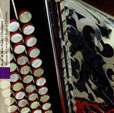
From the north-eastern provinces, mixing Spanish, African and Guarani influences (and long derided for it), a distant cousin of tango. Guitar and six-string guitarron, accordion and bandoneon, double bass, singing.
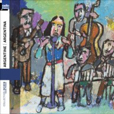
Haydee Alba’s 1990 debut album — emotional and poetic from the off, already steeped in tradition — following the evolution of the form over its nineteen tracks. ‘An artist’s job is to make her public dream.’
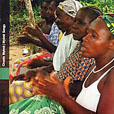
Mainly for rituals of initiation, possession and mourning, with the women singing and shaking a tchege, besides drums, a palm branch hit with a stick, a harp, and a bow played with the mouth.