

Your basket is empty

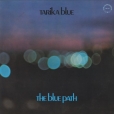
Outstanding, spiritualised jazz-funk; keenly focussed but free and warm; steeped in post-bop and wide-open to r&b; somewhere between Lonnie Liston Smith’s Cosmic Echoes and Roy Ayers’ Ubiquity. Plenty here for dancers, chin-strokers and dreamers all.
The personnel discloses generous musical co-ordinates… Marvin Blackman from the Rashied Ali Quartet is here, and Ryo Kawasaki. James Mason and Justo Almario were later collaborators. Just a couple of years before this, Tarika Blue leader Phil Clendeninn was playing in a New York funk outfit alongside Nile Rodgers and Bernard Edwards…
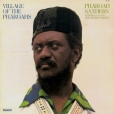
Over to our friends at Soundohm in Milan…
‘The album begins with the throbbing three parts of its title track, collectively clocking in at just under 17 minutes. Underpinned by a tambura drone, heavily rooted in the percussive and rhythmic drive of the ensemble, Sanders soars through modal lines on saxophone (and sometimes voice) in a dance with Sedatrius Brown’s largely wordless vocals… some of the most engrossing and boundary-pushing spiritual jazz ever recorded…. before rounding out the first side with the brilliant, drone-like Myth, which features the bulk of the ensemble in states of chant… The second side begins with the ethereal spiritual jazz piece Mansion Worlds, featuring the majority of the ensemble making up the rhythm section while Joe Bonner delivers shimmering lines on piano and Sanders threads himself through it all… before drifting into the balladic and dreamy Memories Of Lee Morgan. The finale Went Like It Came takes a brilliant and unexpected turn, nodding to Sanders’ roots with Sun Ra. Swinging and raucous — taking on elements from classic R&B — it’s one of the those rare pieces by the saxophonist that makes you want to tap your foot and dance, while still retaining the heat of free jazz fire.
‘Truly staggering on every count, Village of the Pharoahs is one hell of a journey. Unquestionably one of our favourite Pharoah Sanders records of all time.’
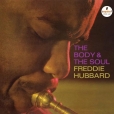
Aged 25, signing off Impulse! with a wayward flourish, Hubbard plays beautifully throughout, boldly leading an orchestra and string section, 16-piece big band, and a septet with Curtis Fuller, Eric Dolphy, Wayne Shorter, Cedar Walton, Reggie Workman, and Louis Hayes. Shorter is arranger and conductor. Buckle up for Dolphy flipping his wig in Clarence’s Place.
‘Verve By Request.’
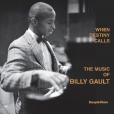
Top-notch mid-seventies spiritual jazz; steeped in Trane. Championed by Jazzman.
Billy — aka William X, nowadays Khalim Zarif — was a Jazz Messenger. Around the same time as this recording, he was one of the Cosmic Brotherhood supporting Jackie McLean on his New York Calling LP, also for SteepleChase; another lost classic.
Warmly recommended.
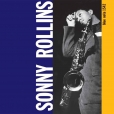
‘Classic Vinyl’ series.
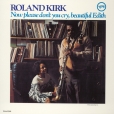
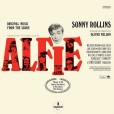
His only recording for Verve, from 1967. Check the lineup: Lonnie Liston Smith, Ronnie Boykins, and Grady Tate. This is where Kirk starts to get his groove on. Next stop, Blacknuss. Terrific version of Alfie.
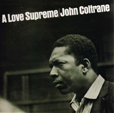
Mono vinyl.
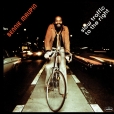
That’s Maupin on Bitches Brew, and Lee Morgan’s Live At The Lighthouse, and Head Hunters. He co-wrote Chameleon. From 1977, this is killer fusion in the same dazzling tradition — as confirmed by transformative readings of two classics by the Mwandishi sextet, Quasar and Water Torture, from the LP Crossings. We’re in the same neck of the woods as Eddie Henderson’s two deadly Blue Notes around this time — Sunburst and Heritage — and the great trumpeter is here. Also Patrice Rushen, who plays a blinder: check her out on the opener. Pat Gleeson, who introduced Herbie to synths, Head Hunters mainstay Paul Jackson, Blackbyrd McKnight, from Flood and Man-Child…