


Your basket is empty

Heartically hymning male companionship over the same tough digi rhythm as Nathan Skyers’ Tribute To The Heroes… plus the dub. Previously unreleased.

Horse Sacrifice was performed on Danish TV in 1970, as a protest against the Vietnam War.
It hinges on a haunting, fragile song entitled My Dead Horse, with Lene Adler Pedersen accompanied by Bjørn Nørgaard on piano, and HC on violin. This beautiful, sad lullaby is as simple, precious and unusual as anything in Christiansen’s output. Previously unreleased.
His only solo album, from 1968, when he was on the Greenwich Village circuit, plaiting together blues and Eastern styles in the same neck of the woods as Fahey, Basho et al, but in his own way.
Treasurable 78s about sex, booze, marriage — the original Yidl Mit Seine Fidl, a wild Simchas Torah — from the first Yiddish theatre in Europe. Patrons like Kafka, Joseph Roth and Chagall were knocked sideways.
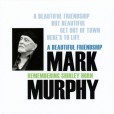
A no-frills, loving tribute — with Shirley’s longtime drummer Steve Williams and double bassist Curtis Lundy (brother of Carmen), formerly of Betty Carter’s group; also the fine pianist Alex Minasian and trumpeter Till Brönner.
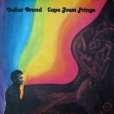
The towering jazz landmark originally issued in South Africa in 1974 under the title Mannenberg Is Where It’s Happening. Recorded with Basil Coetzee, Robbie Jansen, Monty Weber and Morris Goldberg, the music protested the evictions underway from District Six, whereby ‘coloureds’ were murderously booted out to Mannenberg township (where Coetzee was from). The LP sold by the thousands within weeks, becoming South Africans’ unofficial national anthem.
“I’d had the experience of playing dance bands, African dance bands like the Tuxedo Slickers, and we played xhosa, American swing music, mbaqanga… I also played with coloured dance bands — waltzes, quick-steps, squares, paso doble, then also the traditional Cape music…”
An upfully ravishing, hypnotically danceable, rootsily syncretic, universal call to resistance.
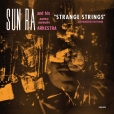
A triumphant edition of one of the most implacable, mysterious, rumbustiously creative albums in the entire Saturn catalogue.
The three tracks comprising the original LP are remastered from tape, doing away with the distortion which has dogged all previous issues. The four additional recordings here are previously unreleased, including two more from the first sessions, and a live performance circa 1967, with Ra leading strange strings on clavinet, and finally a demonstration by Ra of the ‘plaintive’ expressiveness of the Ukrainian bandura.
With excellent notes, including a new essay by David Toop.
‘When I say space music, I’m dealing with the void, because that is of space, too; but I’m dealing with the outer void rather than the inner void, because somehow man is trapped into playing roles into the haven or heaven of the inner void… the word space is a synonym for a multi-dimension of different things other than what people might at present think it means. So I leave the word space open, like space is supposed to be.’
‘If you play it right time, you’re wrong,’ Sun Ra once instructed his Arkestra. ‘I told you, it’s designed for sound.’
From the original Saturn Research publicity flyer for Strange Strings: ‘Too many people are following the past. In this new space age this is dangerous… It is no accident that those who die are said to have passed since those who have PASSED are PAST.’
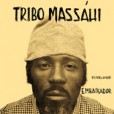
‘Candomblé-inspired psychedelic party music, taking the Afro-Brazilian sound into some wild territory. It’s a heady mix of tropicalismo, chimed guitar, conversational chatter, studio fuckery, and heavy percussion with a female chorus. The songs blend together so that each side of the record runs as a continual piece.’
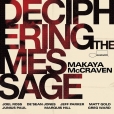
Reshapes of classics by Art Blakey, Horace Silver, Hank Mobley, Dexter Gordon, Kenny Burrell, and Eddie Gale, among others — with contributions from vibraphonist Joel Ross, trumpeter Marquis Hill, alto saxophonist Greg Ward, guitarists Matt Gold and Jeff Parker, bassist Junius Paul, and De’Sean Jones on tenor saxophone and flute.
“When piecing everything together, I wanted to create a narrative that made the listener feel like they were falling into this space or a movement. I was really trying to make a record out of it, not just a series of tracks… The music that we’re making now is part of the same route and is connected, so I want to honor tradition and release something that people can vibe to.”