Your basket is empty

Like a dream, but authoritatively, this remix from Jamaica magnificently crosses the Afrobeat of Fela Kuti with the grounation reggae tradition of Count Ossie.
Killer deep ska, superbly led by Roland A. Backed with the Black Brothers’ rude boy anthem, Born To Rule.
Head-to-head Bunny-Lee-supervised knees-up-mother-browns.
Deeper-than-Spinoza, heavier-than-lead nyabinghi cut of Yabby You’s awesome Love Thy Neighbours (itself produced by Family Man, in 1974). You can’t touch Tubby’s dub on the original Defenders 7”... but both versions here are uncompromisingly dread, and essential in their own right.
Giddily killer, unutterably majestic horns-led instrumental by the legendary bassist, alongside his co-Wailers.
Tubbys murder on the flip.
Brilliantly reissued by Dub Store, in Tokyo.
A sublime, freely creative, dubwise instrumental and its version, from the same hallowed, far-out neck of the woods as the deepest Upsetters and Wackies.
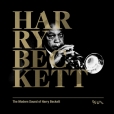
Pressed on vinyl for the first time.
‘A marvellous set of jazz reggae instrumentals… a unique entry of super cool amid the chaos of the On-U catalogue’ (Steve Barker, The Wire).
‘Beckett’s genius is that he is always true to himself, whoever he performs with. His effervescent, tumbling, improvised melodies never fail to lift the spirits.The Modern Sound Of Harry Beckett is a magnificent sonic treat.’ The Guardian.
‘Sherwood’s production style strikes a perfect balance here between sonic creativity and respectful restraint, and Beckett himself is brilliant, creating horn lines that weave and insinuate themselves through the grooves rather than riding on top of them. Established On-U Sound fans will find this to be an enjoyable curiosity; Harry Beckett fans may find it revelatory’ (All Music).
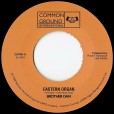
A knockout, proto-Pablo, rocksteady organ instrumental. Dandy Livingstone, surprisingly enough, riding east of the River Nile. Originally out on Trojan in 1968.
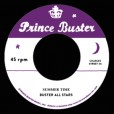
A sultry version of the Gershwin / Heyward aria, more body-rocking than spiritual, led by an identified singer. and swinging horns; and a rollicking Take The A Train, with solos by Roland Alphonso, Lester Sterling and Don Drummond.
Class.
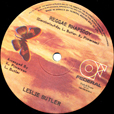
Groovy version of the Deodato-CTI Gershwin interpretation; with a Willie Lindo. The dub does the trick.
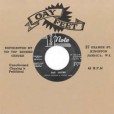
A rollicking organ-and-drums grounation workout.
Plus Ken Boothe taking liberties with Nat King Cole’s Hazy Lazy Crazy Days Of Summer.
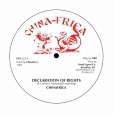
Chinafrica was Wayne Chin’s next project, after his group Creole disbanded in the early-eighties.
Two shark-attack do-overs of foundational tunes, startlingly different: a deadly, sick, atmospheric Declaration Of Rights, with shades of Wackies; and a sprightly, in-your-face, digi Baba Boom Time, originally stepping out on Thunderbolt in 1987.
We ship worldwide. The postage rates for your order are displayed before payment, which is processed using Paypal. You can pay using your Paypal account or any of the following cards. No need to join Paypal.