Your basket is empty

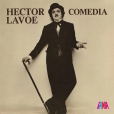
Beginning in 1967 with El Malo, Lavoe was the vocalist on ten legendary studio albums by the Willie Colón Orchestra, before going solo in the mid-70s. Produced by Colón, this hallowed third album under his own name is a stone classic.
It kicks off with his career-defining hit El Cantante, written by Rubén Blades, taking the point of view of a star performer reflecting on his humanity and vulnerabilities when he steps off the stage. It closes with another smash: a joyful, mambo-inspired reimagining of the 1930s Cuban anthem Songoro Cosongo.
Rolling Stone magazine recently ranked Comedia number three of the 50 Greatest Salsa Albums of All Time, declaring that it transformed the genre into ‘high art… a spiritual experience.’
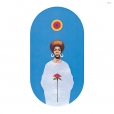
‘With just four long, leisurely, percussion-drenched tracks, it’s a latin-jazz jam-band dream, with none other than Joe Henderson adding smoky tenor that ratchets up the intensity and mystery, and fusion avatars Stanley Clark and Lenny White super-charging the grooves. Think of it as a direct descendant of In A Silent Way, but with a lysergic twist and Miles’s tentative phrases replaced by Gasca’s brash, sassy blasts.’ (Jazzwise)
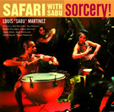
The two late-50s albums. The idea was to interweave African percussion, Latin American voicings, and the reeds and horns of US jazz. With Ray Barretto, Cecil Payne, Oscar Pettiford and co.
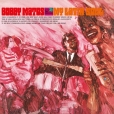
The Latin Jazz classic from 1969, huge on the Dingwalls scene back in the day for the sizzling dancer Tema De Alma Latina.
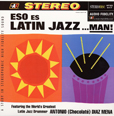
Chocolate Mena leading three lineups — featuring Joe Henderson, Jerome Richardson, Alfredo Armenteros, and co — through Lalo Schifrin and Duke Pearson arrangements of core Latin and Jazz classics.
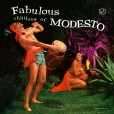
‘A disciple of mambo innovator Perez Prado, the Cuban-born Modesto Duran was a pivotal figure in Latin dance music’s transitionary mid-century period. His gentle slaps can be heard across dozens of 1950s mega-sellers, from Esquivel to Belafonte, Eartha Kitt to Lena Horne. On his 1960 solo debut, Duran gathers a who’s who of conga-men, including Mongo Santamaría, Willie Bobo, and Juan Cheda, delivering a cinematic and percussive melange of afro-cuban, cha cha, and exotic jazz styles.’
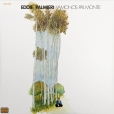
Killer.
Fire Music, salsa-style. Dazzling, in-your-face Latin jazz from 1971, steeped in Afro-Cuban tradition, and blazing with political militancy. Palmieri’s signature hard trombone sound is augmented with baritone saxophone, organ, trap drums and electric piano, and Monk and Tyner come more to the fore in his own playing.
According to percussionist Bobby Sanabria, the opener La Libertad Lógico was ‘an anthem for young Puerto Ricans like me.’ Drummer Nicky Marrero says that Palmieri’s use of the snare drum was designed to emulate a machine gun. Freedom is the only sensible option, declares this terrific music. Revolt.
Ismael Quintana recalls that the title track, ‘of all the songs I recorded with Eddie Palmieri, this has to be the most influential. That song was played and requested everywhere we would go in Latin America… The lyrics were about trying to cope with the injustices in the world. It meant let’s get out of this crazy mess and so much negativity that we live in, and let’s go to the mountains.’
Ronnie Cuber and Charlie Palmieri are here… Quintana and Marrero… and Chocolate Armenteros, one of the greatest trumpeters ever to walk the earth.
A classic. Hotly recommended.
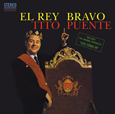
Classic big-band Puente from 1962, including the indomitable scorcher Oye Como Va.
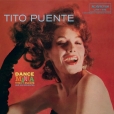
Superlative, thrilling, big-band mambo, cha-cha and guaguanco from 1958, featuring Ray Barretto and vocalist Santos Colon. Essential Latin jazz; the real thing.
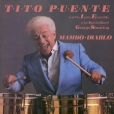
Thrilling, stylish Afro-Cuban jazz — heavy on horns and percussion — featuring interpretations of Lush Life, Take Five, and Lullaby of Birdland (with composer George Shearing sitting in).