Your basket is empty

Terrific, early-sixties, west-coast soul jazz, with Jack Wilson and Dupree Bolton.
The Chicago-based poet and singer heads up a spicy gumbo of jazz, folk and soul.
‘By merging ferociously honest poetry with various black musical traditions, Tate stands as heir to Chicagoan Oscar Brown Jr., the veteran urban griot whose lyrics long have decried racism and social injustice’ (The Chicago Tribune).
Electric guitar, pipe organ, and drums; a mix of new compositions and interpretations of traditional folk songs.
‘A spellbinding affair that roars with innovation’ (All About Jazz).
‘A startling, contemplative, and utterly brave recording’ (All Music).
‘Simple, sublime melodies… ****1/2’ (Downbeat).
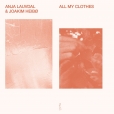
Luminously communicative improvisations by pianist Anja Lauvdal and drummer Joakim Heibø, juggling bristling ecstasy and desolate reflection. Impressive; warmly recommended.
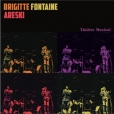
A recording at the Maison de la Radio in May 1973; broadcast on France Culture later that year, but never released till now. Songs from their various early-seventies albums, but stripped right back, highlighting Fontaine’s inventive and provocative poetry, with only their own accompaniment of guitar, percussion, and accordion.
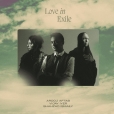
Superb singing, in Urdu, with reined-in accompaniment by Vijay Iyer on pianos and electronics, Shahzad Ismaily on bass and Moog.
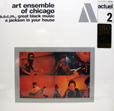
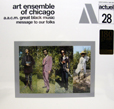
‘Great Black Music’, and funny.
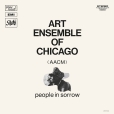
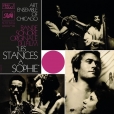
For John Corbett ‘one of the most luminous albums of creative music ever made’, this forty-minute work by the four-piece — Roscoe Mitchell, Joseph Jarman, Lester Bowie, Malachi Favors — is surely the apex of the fourteen studio albums recorded by the Art Ensemble during their two years’ sojourn in France.
‘Still-startling music, which uses space, dynamics, and a wide range of emotions expertly’ (AllMusic).
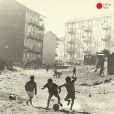
Hotly recommended by our friends Rush Hour in Amsterdam: ‘Starting off with the positively upbeat Umgababa by Kippie Moketsi and the infectious soul jazz of Pat Matshikiza’ s Dreams Are Wonderful (also featuring Kippie Moketsi) proceedings mellow out on side B, only to get extra heavy on the C-side with the sample-ready fusion groover Night Express off their crazy rare 1976 album of the same name and the irresistibly funky Blues for Yusef by Lionel Pillay, two of the many highlights on this action-packed thriller.’
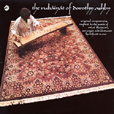
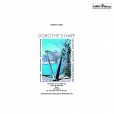
Her funkiest record — Eastern-style settings of the writings of Omar Khayyam — with electrified harp, vibes and Japanese koto wrapped up in Richard Evans’ soulful arrangements.
‘Verve By Request.’
Startlingly accomplished new jazz from South Africa, teeming with ideas, influences and idioms.
Maybe you remember Asher’s drumming on Angel Bat Dawid’s The Oracle.
Hotly recommended.
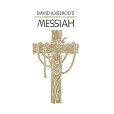
From 1971, contemporary settings of Handel, illuminated by psychedelic guitar, flute and electric piano, and a break-happy, funky rhythm section. Carol Kaye plays bass; Cannonball Adderley conducts the 38-piece orchestra (fresh from his own Black Messiah sessions). The gospelised choral sections carry the swing, as seems right.