


Your basket is empty

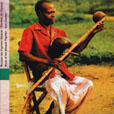
Polyphonic song — a kind of broken, yodelling counterpoint — accompanied by drums, sticks, sanza, vegetal trumpets, hand-clapping.
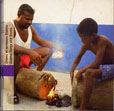
From the Central Coast, afro music for rites and festivals, sharing with salsa drums like the cumaco (using the heel of the hand to vary pitch) and redondo, besides cow horns, car wheels, plates, sea shells.
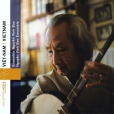
Refined, improvisatory, endangered traditional music for a quartet of two-stringed spike-fiddle, zither, two lutes.
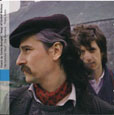
Erik Marchand singing, with his accompanist Thierry Robin finding the ud better suited than guitar or mandolin to the intervalic arrangements of quarter tones peculiar to this repertoire.

The joropo, pasaje and tonada (with roots in sixteenth-century Spain) played on the bandola, a pear-shaped, four-stringed guitar, made from cedar — with maracas and cuatro accompaniment.
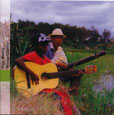
Various songs — and valiha zither, made from a bamboo trunk, the sodina flute, the angorodao accordion, the kabosy lute, and the amponga tany, a ground zither made of plant rope, wood, and shit.
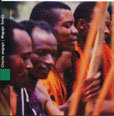
Chimelougali is yodelling; luchenze is hooting whilst darting the tongue from side to side; kuama are trembling sounds, and rhythmic interjections. Including polyphonies, and a few with instruments.
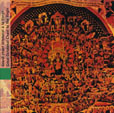
The Theodore Vassilikos Ensemble powerfully performing Petros Bereketis — extended variations on eight modes — the most important composer of the golden age of Byzantine music, an eastward Bach.
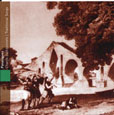
Stirring, beautiful historical recordings of paralogues — deep, traditional melodies — drawn from folklore, everyday life and classical mythology: solo voice, or choral, or with clarinet, ud, lyre, violins.

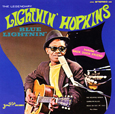
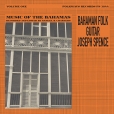
Wonderful, previously-unheard recordings by the legendary Bahamian guitarist, at his peak in 1965, made at his only New York concert, at home in Nassau, and in a Manhattan apartment. Gripping, one-off playing, continuously stepping out of line, or surprising you with accents, like Monk; rough, enraptured singing in the age-old tradition of local sponge fishermen, with startling irruptions of humming, babble and scat.
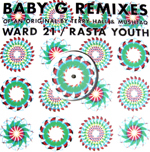
The second son of King Jammy, Trevor James aka Baby G is at the cutting edge of the new wave of dancehall producers. Jammy’s stalwarts Ward 21 and newcomers Rasta Youth on the mic.

‘Classic Vinyl Series.’

Booker Ervin! Mira!
Rugged songs with gurumi lute accompaniment to celebrate the opening of the bush, summon genies, honour animals and praise huntsmen.
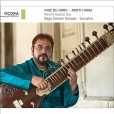
Kushal Das is a master of the surbahar, a kind of bass sitar, with long sustain, ideally suited to this profound and elevated, tricky and subtle, darkest-night raga, recorded in concert at the Radio France Auditorium in Paris.
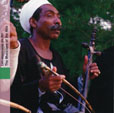
Epic poetry wrapped up in the rabab viol (a coconut shell covered with fish skin, with a long, spiked handle, two horsehair strings), the vertical suffara flute, the arghul double clarinet, droning and melodious.

Intense Moroccan singer improvisatorially lighting up the rare, refined nineteenth century wasla style, in suite form, with chamber orchestra — qanun zither, ud lute, kaman violin and riqq percussion.
Gaitas music, for flutes and alegre, llamador and tambora drums.