


Your basket is empty

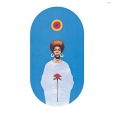
‘With just four long, leisurely, percussion-drenched tracks, it’s a latin-jazz jam-band dream, with none other than Joe Henderson adding smoky tenor that ratchets up the intensity and mystery, and fusion avatars Stanley Clark and Lenny White super-charging the grooves. Think of it as a direct descendant of In A Silent Way, but with a lysergic twist and Miles’s tentative phrases replaced by Gasca’s brash, sassy blasts.’ (Jazzwise)
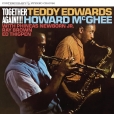
We love this LP; it’s an old favourite. You can hear Teddy adjusting the influences of Hawk and Bird to meet the challenge of Rollins and Coltrane. You can’t go wrong with any of his West Coast albums from 1960-67, for Pacific, Contemporary and Prestige. Classy, bluesy, no frills West Coast jazz; cultured but tasty and with-it. This one has the warmth, purposefulness and swing of a classic Blue Note. Phineas Newborn plays a blinder, too.
Here’s the Penguin Guide: ‘One of the best mainstream albums of its day… beautifully and almost effortlessly crafted.’
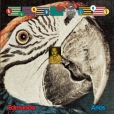
Fabulous big-band tropical jazz — cumbias, porros — from 1950s and 60s Colombia.
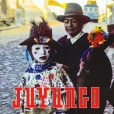
‘Since the 16th century, the Ecuadorian province of Esmeraldas has been home to a unique Afro-Indigenous culture originating in the integration of the Indigenous Chachi and Nigua peoples with African Maroon communities. Juyungo documents significant Esmeraldan artists and bands playing the Afro-Ecuadorian folklore of the province, as well as including some older field recordings. Based mostly on the marimba, whose origins lie partly in the African balafon, partly in Indigenous percussion instruments, the music is laced with call and response chants, ambient insect and bird noise, the filigree finger-styles of the Andean guitar tradition and the panpipes of the mountains. This is resonant insider roots music at its headiest — the mystic revelation of Esmeraldas, gully deep and lustral.’ Francis Gooding, The Wire.
The fifth in our series of LPs compiling classic music from Ecuador. Customary Honest Jons runnings: a beautiful gatefold sleeve; superior pressing, with vivid, intimate sound; full-size, sixteen-page booklet, in colour throughout, with detailed, fascinating, bi-lingual notes, and stunning photographs.
The music is transfixing, magical; not like anything else. From start to finish, this album is continuously, profoundly immersive; a kind of journeying, trippy meditation about slavery and cultural resistance, identity and mix, places and spaces, futures and pasts. It’s inscrutable to net-surfing, algorithms, Shuffle. But for a taste try the insurgent marimba roller Agua Largo, jet-propelled by Rosa Huila’s rapturous blend of African spiritualist and Christian chant. ‘Healing music,’ Zakia called it on Gilles Peterson’s BBC show recently. And the ravishing pasillo Kasilla Shungulla — ‘calm your heart’ in the Quichua language — a duet between the Peruvian master-guitarist Raúl García Zárate and viola da gamba by Juan Luis Restrepo from Medellin, recorded in a baroque church in Buzbanza, Colombia.
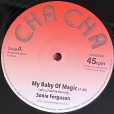
Classic, feel-good, disco-friendly Lovers Rock from 1980. Sonia is so happy she sings to herself.
Titfers off for Frankie Beverly. Don.
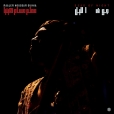
‘Son of Maalem Mahmoud Guinia, Maalem Houssam Guinia is one of Morocco’s most exciting young Gnawa masters.
‘Dead of Night was recorded live on the night of 3rd January 2022, in a relaxed session in a Casablanca residence. It captures Houssam at his most natural, singing and playing the Gnawa songs that have been with him since his birth, completely solo and free without percussion or backing vocals. Houssam says these are the songs he knows best; the music his father would play and sing late into the night in their home when he was an infant.
‘Raw, deep, spiritual Gnawa in its purest form.’
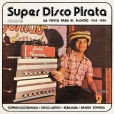
Bangers drawn from the bootleg compilation LPs — ‘pirata’ — which were all the rage in 1980s Mexico City, The hottest, rarest hits from Peru, Ecuador, Colombia, and beyond — edited, tweaked, EQ-manipulated and pitched-down, to suit the sonideros running the city’s mobile soundsystems.
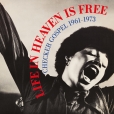
Gospel melts into Soul in this dazzling collection of sides originally released by the Chess subsidiary label Checker.
Devised by the same team supporting the likes of Muddy Waters and Etta James at Chess, the vintage of Checker Gospel celebrated here is distinguished by its expertly raw, rugged, live feel — thumping bass and pounding drums, bluesy guitar and horns — and its keen engagement with contemporary realities and politics, with an underlying, unwavering commitment to the Civil Rights movement. Not forgetting its sheer, startling, richly diverse soulfulness.
Key architects of the Chicago Sound and Motown are amongst the scores of contributors: Charles Stepney, Gene Barge, Eddie Kendricks, and Leonard Caston Jr. are in the house… Morris Jennings, drummer on Curtis’ Superfly and Terry Callier’s What Color Is Love… Louis Satterfield from The Pharaohs and Earth Wind & Fire… Ramsey Lewis’ guitarist Byron Gregory… Phil Upchurch… Laura Lee…
Producer Monk Higgins joined Checker in 1967, bringing his experience of R&B and Gospel hit-making for the labels One-derful and Satellite, together with a loyal cohort of musicians. A protege of Willie Dixon, engineer Malcolm Chisholm set up the Ter Mar studio as if preparing for a live gig, carefully teasing measures of bleed into the microphones. With Ralph Bass from King Records running A&R, they knew exactly what they were after. ‘I’m using horns and an R&B sound in gospel recordings,’ said Bass. ‘We have no charts. All the musicians are given the chord changes. I want the cats to think when we’re cutting. I want spontaneity, and that’s what we’re getting.’ And: ‘There is more to gospel than just finding solace in the church. This follows the same message of Martin King, who was fighting for a new way of life. Kids are tired of hearing Jesus Give Us Help. They want a positive message.’
Focussed on the late sixties and early seventies, the twenty-five recordings here are all killer no filler, but try these four, random entry points: the heavy funk ostinato of the Violinaires’ Groovin’ With Jesus, working itself up into a post-James-Brown brass frenzy, sure to knock your socks off; Cleo Jackson Randle’s title track, for those who like their Gospel straight-up and hard-core; Eddie Kendricks’ achingly timely choral call-to-arms, Stand Up America, Don’t Be Afraid; the East St Louis Gospelettes’ heart-stopping, fathoms-deep rendition of Bobby Bland’s I’ll Take Care Of You.
A beautiful gatefold sleeve; a full-colour booklet with excellent notes by Robert Marovich; top-notch sound. Another knockout selection by Greg Belson and David Hill.
A shoo-in for soul compilation of the year.

With the Honest Jons logo in red & blue on the back. Click through for snaps and alternative colours.
These are AS Classic tees: ‘relaxed fit; heavyweight, 220 GSM, 100% combed cotton. Built to last with neck ribbing, side seams, shoulder-to-shoulder tape, and double needle hems, plus preshrunk fabric for minimal shrinkage.’

With the HJ logo in red & blue on the back.
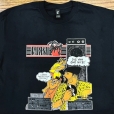
Glorious artwork by the one-and-only Limonious, originally drawn for a compilation of sides on Edgar Whyte’s excellent Parish label.
Gildan Hammer tees.
Last chance saloon.
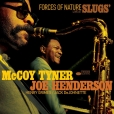
‘A never-before-issued live recording of McCoy Tyner and Joe Henderson leading a stellar quartet with bassist Henry Grimes and drummer Jack DeJohnette at the hallowed lost jazz shrine Slugs’ Saloon in New York City in 1966. Recorded by the legendary engineer Orville O’Brien — behind classic 1960s jazz albums such as Freddie Hubbard’s The Night of the Cookers and Alice Coltrane’s Journey to Satchidananda — the tape has been in DeJohnette’s personal archives for nearly 60 years.’
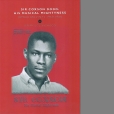
‘Over 200 full-colour pages documenting Dodd’s vinyl output during the first six years of Jamaica’s new urban music — from Boogie Shuffle to Ska. Presented imprint by imprint and illustrated with over 900 label scans. With sections on Dodd’s Sound Systems and businesses as well as the musicians he used and the live scene in Jamaica.’
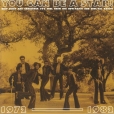

‘The surrealist, psychedelic brain-burps of notorious all-caps-tweeting wind-up-merchant Louis Johnstone aka Wanda Group. Twenty-six congealed morsels of spur-of-the-moment
sound-art executed with genuine economy of means, namely… a phone. An impulsive, scatter-brained trip into the inner circles of regional weirdness, secreting a creeping unease which really gets under your skin. Fragments of aural rubble haphazardly cohere into galvanising spacial tones and textures, punctured by Johnstone’s garbled Essex rantings. The long-distance stare of warbled tape loops is abruptly fractured by a drunken sing-along in a care home for the elderly. As hallucinogenic takes on the utterly mundane, there’s an obvious kinship with Lambkin’s nocturnal, straight-to-dictaphone sound-pieces. Dan Johannsen’s splintered classical collages on that PIG tape and the suburban soliloquies of Regional Bears alumnus Russell Walker also feel closely aligned.’ (All Night Flight)
With an A4 riso insert.