

















Your basket is empty


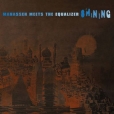
Prime Cuts from the legendary Scratch Perverts crew with an upful six-tracker, full of life and intelligence, and teeming with fidgety, DIY, turntablist energy.
For us it’s a bit like a raid on the racks at Honest Jons, over the decades… but fresh and bright. It kicks off with a headlong garbling of eighties jazz-funk, complete with synths, a vocoder, and some incipient Herbie, all sagging woozily into some nuts pitch control, before a mean beat-down. Some dubwise Channel One follows up, with almightily anthemic snatches of melody and unmistakable chords, almost breaking down under a barrage of skittering effects, scratching, laser-fire, strangulated melodica, and cowbell. Then three excursions in classic Detroit techno: moody electro funk, with a sprinkling of Harold Faltermeyer; hard-grooving minimalism, with a dash of It Takes Two; then a more industrial outing, with clattering percussion and gobbling synth. Finally an ambient interlude — overcast but twinklingly ambivalent — to close.
Ace. A lot of fun. Check it out.

A judicious compilation of cornerstone, pioneering UK Lovers: One Blood, Simplicity, Karen Dixon…
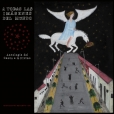
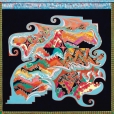
‘The sacred music of peasants in Chile’s remote Central Valley: a communal form of worship and reflection, played in packed rooms throughout the night when work is done. The Canto has persisted for centuries in the voices of hundreds of men and women who conjure vivid visions of apocalypse, the divine, and angelitos (very young children who have died). But the verses are also rooted in the daily life in the valley — labour and drought, family, animals, and the life cycles of plants. To hypnotic accompaniment by guitar and the celestial, 25-string guitarron, countless entonaciones or melodies range across the 10-line rhyming decimas, in an ancient song form originating in Spain and found from South America to the Mississippi Delta. The combination is entrancing and transporting, cosmic and earthly at once.
‘The handsome gatefold jacket presents the visionary, apocalyptic art of Frederico Lohse, a baker from the village of Los Vilos, who painted on old flour sacks; with an eight-page booklet containing lyrics, photos, and extensive notes about the Canto tradition.’