Your basket is empty

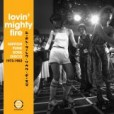
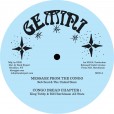
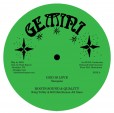
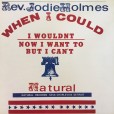
Murderous southern funk from the dawn of the seventies, featuring brilliant fatback drumming by Freeman Brown and cooking organ by Clayton Ivey. Fittingly, producer Mickey Buckins lets off a siren on the flip.
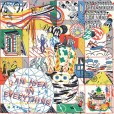
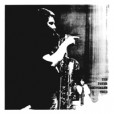
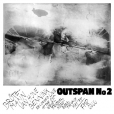
Improvisations between Greenberger reading texts from his massive archive of old people’s testimony, Jones playing banjo and guitar, Corsano on drums.
‘Despite the dark and sad feeling of some of the texts (dealing with aging, memory loss etc), there is also humor, joy and grit. The album is a rollercoaster of emotions, a glittering patchwork of sonic atmospheres and an oral encyclopedia on dozens of subjects, like coffee, cigarettes, planets, art ... life ... and death.’
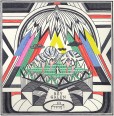
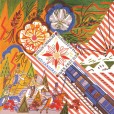
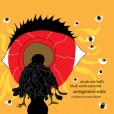
Ed Sanders founded a magazine called Fuck You (in 1962), a radical bookshop on the Lower East Side of NYC, named Peace Eye, and The Fugs.
This is a kind of incantatory left-anarchist history lesson, with interjections on a small keyboard called a pulse lyre, which he invented and built himself. It’s droll, epic, engaging, stirring; warmly recommended.
Presented in a beautiful gatefold sleeve, with lyric sheet.
‘Many mayhemic forces were set against the socialist zone…’

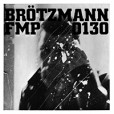
You can’t make sense of this, clicking through mp3s, on tin-pan computer speakers. Put the record on, though, and set the controls for the heart of the bloke next door, and it’s terrific. The drum-less, throbbing, droning, wailing, sawing, twinkling reconnaissance of Nothing, with massive, unnerving swoops, throttling and surges.
Beatrice Dillon and Kassem Mosse.
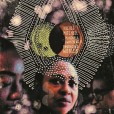
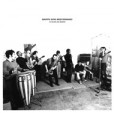
Great photos by Anne Tetzlaff on the sleeve.
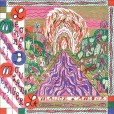
Gorgeous, restorative duets by a French singer and Iranian singer/instrumentalist, taking a highly personal, affective approach to the traditional radif repertoire established by Ostad Abdollah Davami. Ecstatic, sensual ghazals from the thirteenth and fourteenth centuries: ‘You gave me away free,’ she chides. ‘I wouldn’t take the world for a single hair from your head.’
Two sides triumphantly add organ and harmonium, bendir and n’goni.
The performances are considered and expert enough, but with a have-a-go freshness and emotional truth, without snoot or prettification.
Wonderful artwork by Gwénola Carrère.
A magical record.

COH as in Jean Cohen (saxophones), EL as in Dominique Elbaz (piano) and MEC as in the brothers François and Jean-Louis Méchali (bass and drums) — joined by the American clarinettist and flautist Evan Chandlee for this debut album, originally released by Saravah in 1969.
“We wanted to avoid that kind of ‘free’ which is characterized by pounding drumming and a saxophonist freaking out in the high register, that type of music that kicks off suddenly then stops without us being able to sense the motivation. There is never any difference in intensity: nothing is destroyed, nothing is created, nothing is elaborated, nothing is questioned — when, even on the simple level of sound, there is so much that can be done.”
With French roots running back through the music of Jef Gilson, and pitched at the time somewhere between ESP and Actuel/BYG, with full-blooded nods to the likes of Cecil Taylor, John Coltrane and Walt Dickerson, this is expert, exuberant music-making, searching out its own way.
Ten tracks, even-handedly improvised and composed, beautifully played; intense and free-spirited but always engaging, attentive and communicative.
Top-notch sound; heavyweight gatefold sleeve with obi-strip; twelve-page booklet.
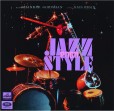
Eleven exuberantly swinging, startlingly fresh jazz ragas by an ensemble combining hard-core Bombay jazz messengers, Bollywood royalty, and sitar master Ustad Rais Khan.
This is indo-jazz fusion direct from the source: an extremely rare glimpse of the same Bombay jazz scene that gave us Amancio D’Silva. Nothing kitsch here: by turns rollicking and lyrical, this is edgily committed and heartfelt music-making.
Never reissued since its 1968 release by EMI India, Raga Jazz Style is a collectors’ holy grail of Indian jazz; and this is a highly impressive inaugural salvo by Outernational Sounds, using original masters and beautifully rendered facsimile artwork, with 180g vinyl pressed at Pallas, in Germany.
Very warmly recommended.
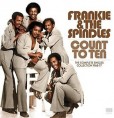
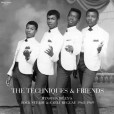
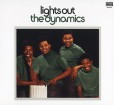
Sweet soul from Baltimore, produced by none other than George Kerr and Bunny Sigler.
The opener Count To Ten was their big hit, grabbing a couple of bars of Smokey Robinson; Candy is treasurably cannibalistic (‘her heart’s made of caramel’ etc); that’s a secret-weapon version of War (What Is It Good For?).